920-468-8144


Bone Density and Dental Implants: What Every Patient Should Know

Have you been told that you may not have enough bone for dental implants? That concern is more common than many people realize, and it does not always mean implants are off the table. A healthy jawbone plays a major role in supporting an implant, but today’s diagnostic tools and treatment techniques allow many patients with reduced bone volume to achieve successful results.
At Eastridge Dental, Dr. W. Meier begins every implant evaluation by carefully assessing the condition of your jawbone before recommending treatment. For patients considering dental implants in Green Bay, understanding how bone density affects long-term implant success can help you make informed decisions.
This guide explains why bone density matters, what causes bone loss, and the treatment options available even when the jawbone has weakened.
Why Does Bone Density Matter for Dental Implants?
Bone density determines how securely an implant can bond with the jaw. A strong, healthy jawbone provides the support needed for long-term implant stability and successful healing.
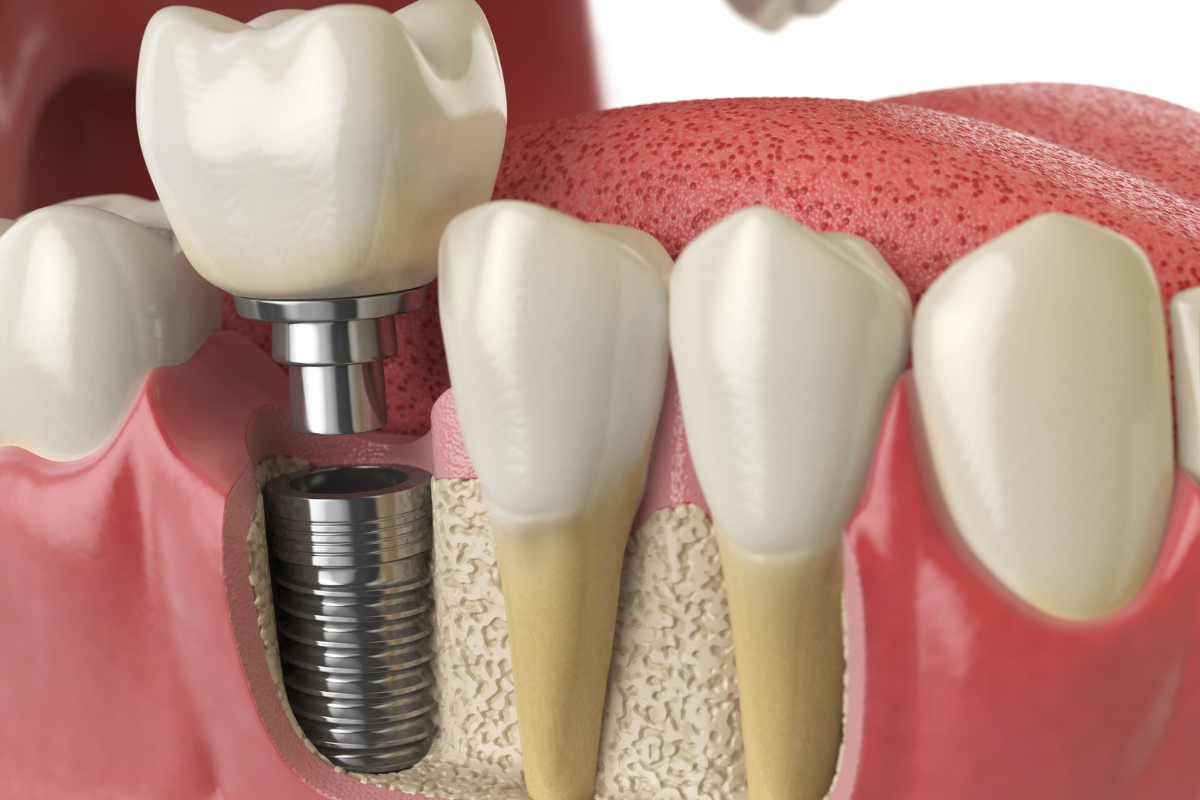
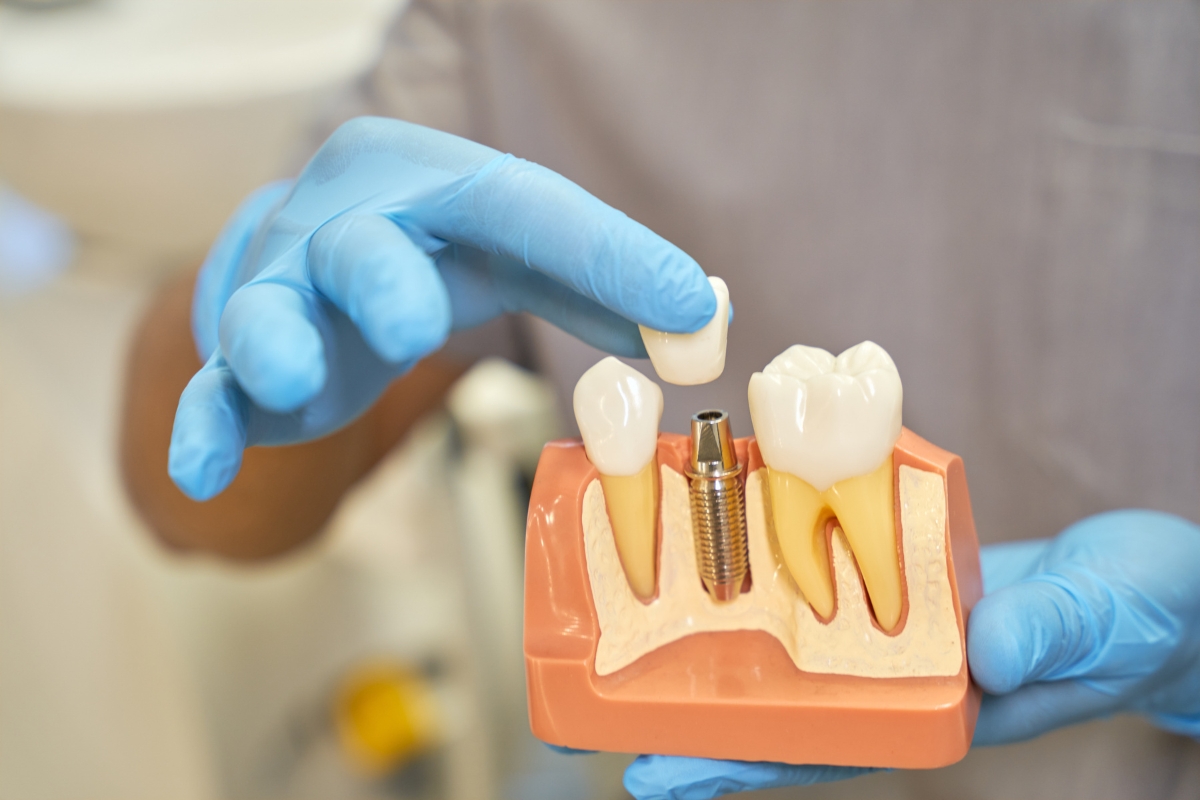
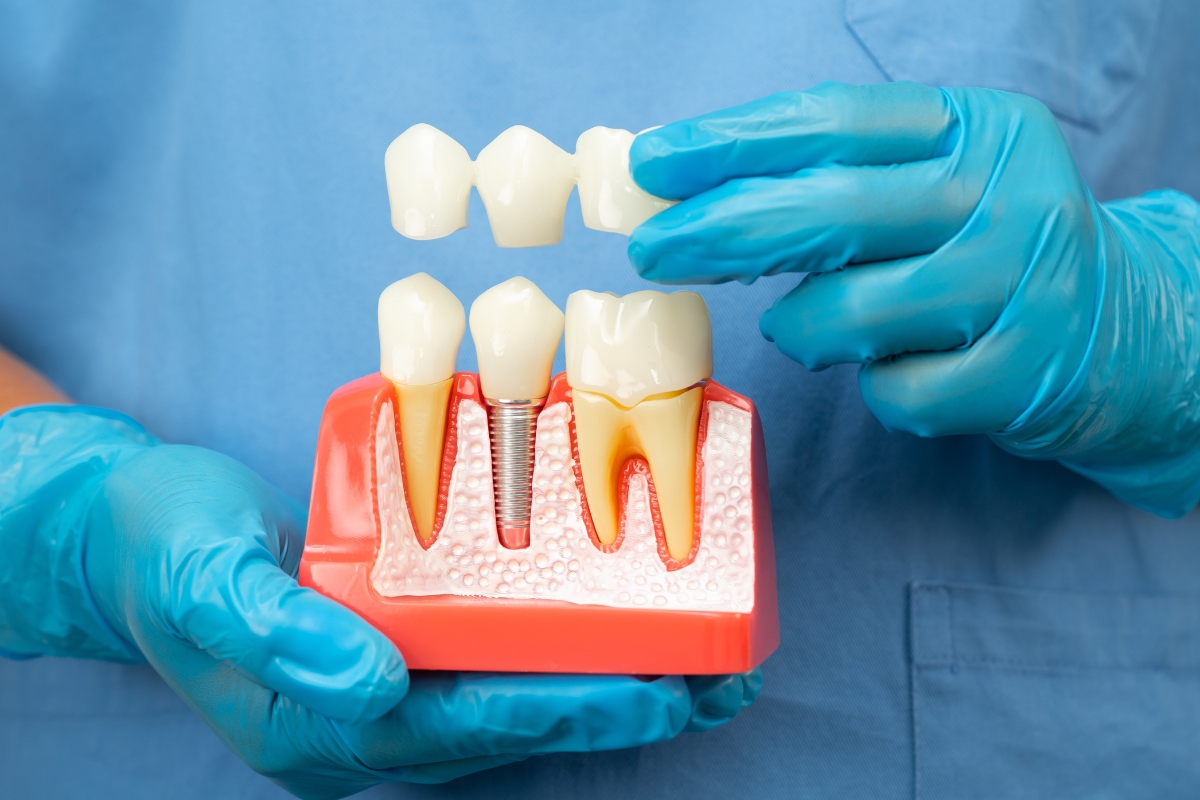
A dental implant functions as an artificial tooth root. After implant placement, the surrounding bone gradually bonds to the implant through a natural biological process called osseointegration. This connection creates the stable foundation needed for an implant-supported crown, bridge, or other restoration.
When bone density is reduced, several challenges may arise:
- The implant may have less initial stability.
- Healing can take longer.
- Additional procedures may be recommended before surgery.
- Treatment planning becomes more important.
Many patients assume bone loss automatically prevents treatment. In reality, dentists routinely evaluate bone quality and recommend solutions that improve the likelihood of long-term success.
What Causes Bone Loss Before Implant Treatment?
Bone loss often develops gradually rather than suddenly. Understanding its causes helps explain why early replacement of missing teeth is beneficial.
- Missing Teeth for an Extended Period
After a tooth is lost, the jawbone no longer receives the stimulation created by chewing. Over time, the bone begins to shrink as the body naturally removes tissue that is no longer in use.
- Periodontal Disease
Advanced gum disease can destroy both the supporting tissues and the surrounding bone. Even after the infection is treated, rebuilding lost bone may be necessary before proceeding with implant surgery.
- Injury or Trauma
An accident involving the face or jaw can damage the surrounding bone. Depending on the extent of the injury, rebuilding procedures may be recommended before a single-tooth implant or other restoration.
- Natural Aging
Bone naturally changes with age. While aging alone does not prevent treatment, it makes careful evaluation even more important during an implant consultation.
How Do Dentists Measure Bone Density Before Implant Surgery?
Dentists evaluate bone density using advanced imaging that measures bone height, width, and quality. This information helps determine the safest implant location and whether additional procedures are needed.
Planning an implant involves much more than replacing a missing tooth. The goal is to understand the condition of the entire jaw before treatment begins.
During your evaluation, your dentist may assess:
- Overall jawbone health
- Bone height and thickness
- Bone quality in the planned implant site
- Nearby nerves and sinus location
- Bite alignment and chewing forces
Modern 3D imaging allows clinicians to create a highly detailed view of the jaw before surgery. Rather than relying on estimates, treatment decisions are based on precise measurements, resulting in a more predictable dental implant procedure.
One common example involves patients who lost a molar several years ago. Although the gum tissue appears healthy, imaging often reveals bone shrinkage beneath the surface. Identifying this early allows the treatment plan to be adjusted before implant placement rather than discovering the issue during surgery.
Can Low Bone Density Be Improved Before Getting Dental Implants?
Yes, low bone density can often be improved before implant placement. Your dentist will recommend the most appropriate approach based on the amount of available bone and the location of the missing tooth.
Not every patient requires additional treatment. Some have enough healthy bone despite losing a tooth years earlier. Others may benefit from procedures that rebuild or preserve bone before receiving an implant-supported restoration.
- Bone Grafting
Bone grafting adds bone material to areas where volume has been lost. Over time, your body replaces the graft with natural bone, creating a stronger foundation for future treatment.
- Sinus Lift Procedure
When replacing upper back teeth, the maxillary sinus sometimes sits too close to the jawbone. A sinus lift creates additional space for bone growth, allowing future implant placement in that area.
- Socket Preservation
When a tooth must be removed, placing grafting material into the socket immediately afterward can help preserve the bone that naturally begins shrinking after extraction. This step often makes future tooth replacement more straightforward.
Every patient heals differently. Your dentist will recommend only the procedures that are appropriate for your oral health and treatment goals.
What Happens During Osseointegration?
Osseointegration is the natural healing process in which the jawbone bonds directly to the implant, creating the stable support needed for long-term function.
This process begins shortly after implant surgery and usually continues over several months. During healing, new bone cells gradually grow around the implant surface, locking it into place.
Successful osseointegration depends on several factors, including:
- Adequate bone quality
- Careful surgical planning
- Healthy gums
- Proper healing after surgery
- Following post-operative instructions
Patients often ask whether they can feel this process happening. In most cases, they cannot. Healing occurs beneath the gums while regular follow-up visits allow the dentist to monitor progress before the final restoration is attached.
Does Low Bone Density Mean Dental Implants Will Fail?
No, reduced bone density complicates planning, but it does not automatically lead to implant failure. Careful evaluation and appropriate treatment can allow many patients to receive implants successfully.
One of the biggest misconceptions is that bone loss permanently rules out implants. In reality, successful outcomes often depend more on proper diagnosis and planning than on bone density alone.
Several factors contribute to dental implant success, including:
- Overall medical history
- Gum health
- Bone quality
- Smoking habits
- Oral hygiene
- Regular dental visits
A patient who delayed replacing a missing tooth for several years may require bone grafting before treatment. Another patient with similar bone loss may already have enough healthy bone to proceed without additional procedures. Each situation is unique, which is why a comprehensive evaluation is essential.
At Eastridge Dental, every treatment plan is based on detailed clinical findings rather than assumptions. This individualized approach helps determine the safest and most predictable path toward dental implants in Green Bay.
What Can You Do to Protect Your Jawbone Before and After Implant Treatment?
Healthy bone supports both natural teeth and implant restorations. Taking care of your mouth before and after treatment contributes to long-term stability.
Simple habits that protect implant longevity include:
- Brush and floss every day.
- Attend routine dental examinations and professional cleanings.
- Avoid tobacco products whenever possible.
- Follow all healing instructions after surgery.
- Manage health conditions such as diabetes with your physician.
- Replace missing teeth sooner rather than later to reduce continued bone loss.
Many people postpone treatment because they are unsure whether they qualify. Waiting often allows additional bone loss to occur, which may increase the complexity of future care. An evaluation provides clear answers and helps you understand your available options before further changes develop.
Rebuild Your Smile with Strong, Lasting Tooth Replacement
Bone density is one of the most important factors in successful implant treatment, but it is only one part of the overall picture. Even if you have been told you have bone loss, modern treatment options may still make implants possible.
A thorough evaluation can assess the condition of your jawbone, identify any additional procedures that may help, and develop a treatment plan tailored to your individual needs.
At Eastridge Dental, Dr. W. Meier carefully evaluates every patient before recommending treatment. If you are considering dental implants, visit our dental office in Green Bay to learn about your treatment options and receive a comprehensive implant evaluation. Early assessment often provides more choices and helps you move forward with confidence.
Frequently Asked Questions
Can I Still Get Dental Implants If I Have Osteoporosis?
Yes, many people with osteoporosis are still candidates for implant treatment. Your dentist will review your medical history, medications, and bone quality before recommending a treatment plan. A detailed examination helps determine whether any preparatory procedures are needed to support successful healing.
How Do Dentists Know If My Jawbone Is Strong Enough For Implants?
A clinical examination combined with advanced 3D imaging allows your dentist to evaluate bone height, width, and density. These images provide precise information about the implant site and help determine whether additional treatment is necessary before implant placement.
Is Bone Grafting Always Required Before Implant Treatment?
No. Bone grafting is only recommended when there is not enough healthy bone to properly support an implant. Many patients have adequate bone and can proceed directly with treatment. A professional evaluation will determine which approach is appropriate for your situation.
How Long Does The Bone Take To Heal After Implant Surgery?
Healing varies from person to person, but osseointegration generally takes several months. During this period, the jawbone gradually bonds with the implant to create a stable foundation. Regular follow-up appointments allow your dentist to monitor healing and confirm that everything is progressing as expected before placing the final restoration.
What Happens If I Wait Several Years Before Replacing A Missing Tooth?
Delaying treatment often allows the jawbone to shrink because it no longer receives stimulation from the missing tooth root. The longer a tooth remains missing, the greater the chance that additional procedures may be needed before implant placement. Scheduling an evaluation early helps preserve treatment options and supports a more predictable outcome.