920-468-8144


How Do Dental Implants Cure Missing Teeth And Related Problems?

Losing a tooth stinks. Whether it was an accident, decay, gum disease, or just bad luck, that space has a way of reminding you every time you eat, talk, or smile. And here’s the part people don’t expect: the gap itself is only the start.
So what do dental implants in Green Bay, or anywhere, actually do about it? “Cure” is a strong word, honestly. Implants don’t reverse the past. But they replace the missing tooth, root and all, and stop a bunch of follow-up problems before they pile up. Let’s walk through how.
What Happens When a Tooth Goes Missing?
It’s not just cosmetic. A missing tooth sets off a slow chain reaction in your mouth.
First, the jawbone under the gap starts shrinking because the root that used to stimulate it is gone. Then neighboring teeth lean into the space, and the tooth opposite the gap can drift out of position. Your bite gets uneven. Chewing becomes awkward, so you favor one side. Food traps in the new spaces, and gum problems can follow.
Over the years, with several missing teeth, the face can even take on a sunken look. Not great, right?
How a Dental Implant Works
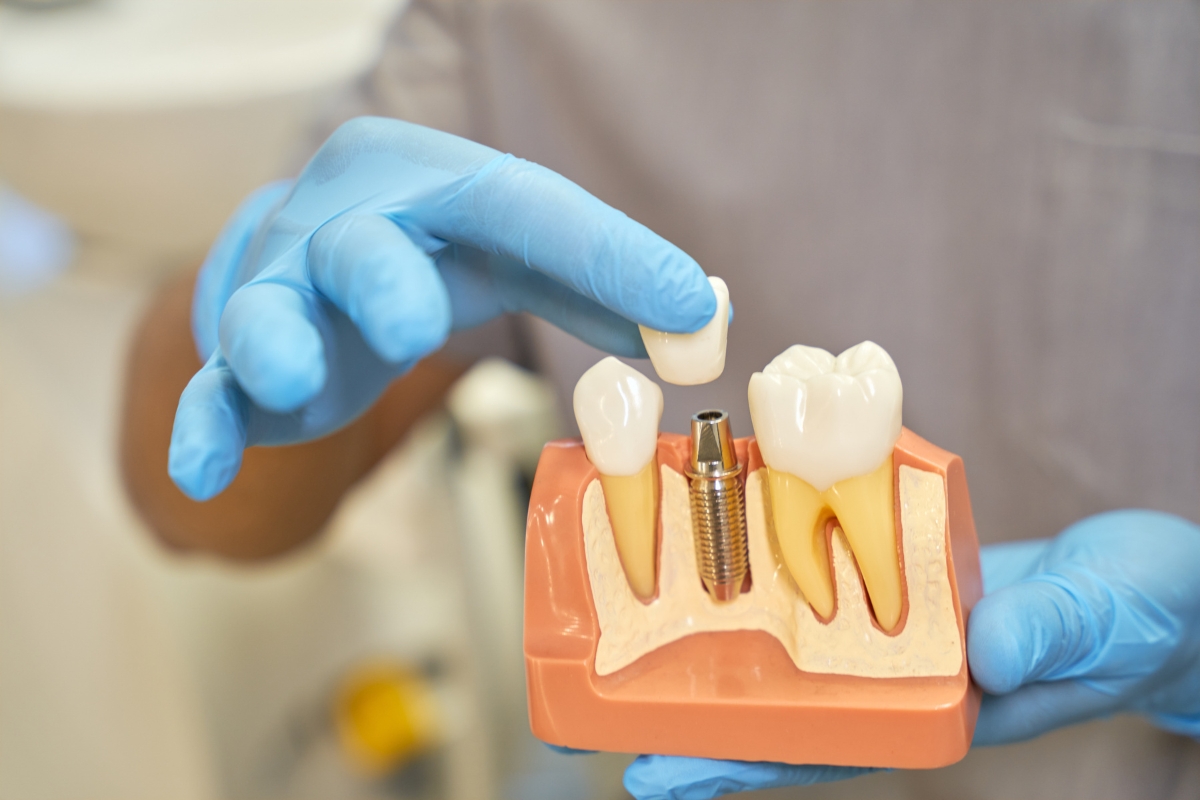
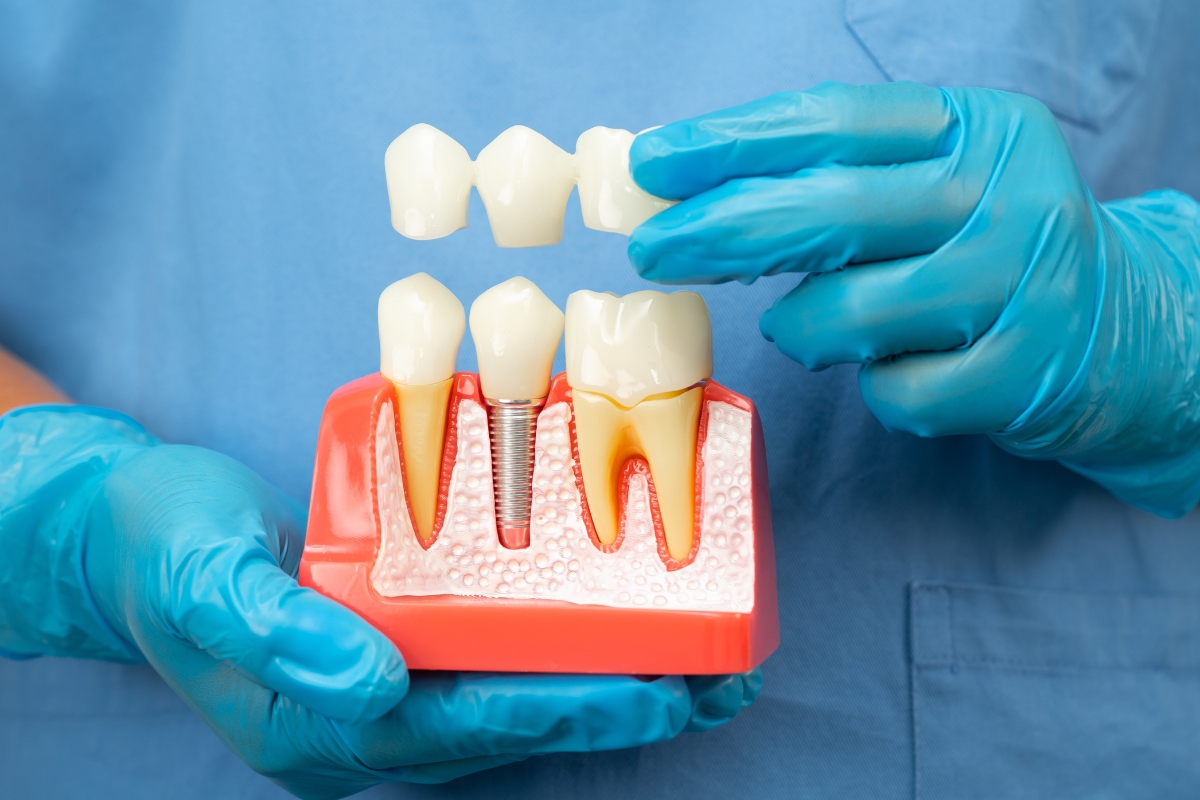
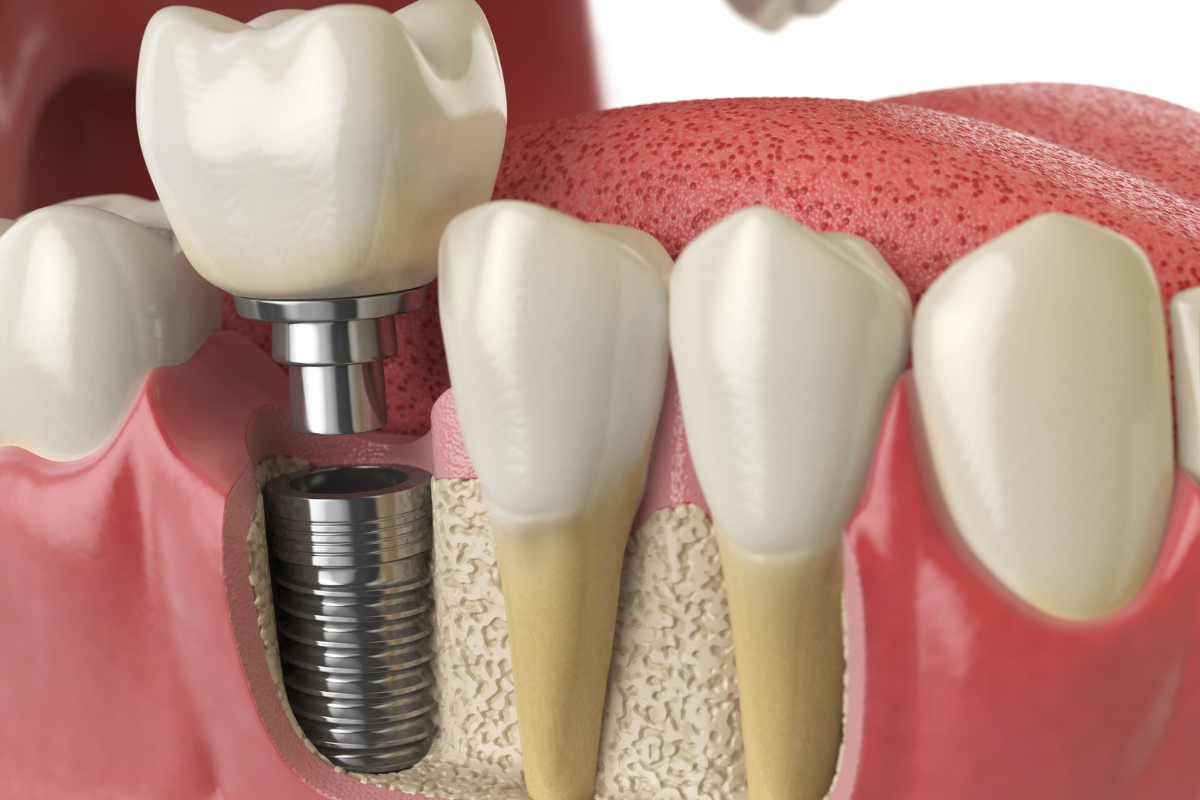
An implant has three parts. A small titanium post goes into your jawbone, acting as the new root. An abutment connects the post to the third part, a custom crown made to match your natural teeth.
The magic happens in the bone. Over a few months, your jawbone grows around the post and locks it in place, a process called osseointegration. It’s why implants feel so solid. When considering dental implants in Green Bay, people often ask whether it feels fake. Most patients say that after healing, they forget which tooth is the implant.
The Problems Implants Help Solve
Gaps in Your Smile
The obvious one first. A crown made to match your neighboring teeth fills the space naturally, so you can smile in photos without strategically closing your mouth. Color, shape, size, all matched.
Jawbone Loss
This is the big benefit. Because the implant replaces the root, it keeps stimulating the bone when you chew. That helps preserve bone density instead of letting it melt away. Bridges and dentures sit on the gums and don’t do this, which is a major reason people choose dental implants near Green Bay over other options.
Shifting Teeth
Filling the gap means neighboring teeth have nothing to lean into. Your bite stays balanced, and you avoid the jaw soreness and uneven wear that come from teeth drifting around.
Trouble Chewing and Speaking
Implants anchor firmly, so you can bite into an apple or a steak without worrying about slipping. Speech stays clearer too, since there’s no loose appliance moving around. Anyone who has struggled with wobbly dentures knows the difference.
Damage to Healthy Neighboring Teeth
A traditional bridge needs the teeth on each side of the gap to be shaved down to hold it. Implants stand alone. Your healthy teeth stay untouched, which matters for the long run.
Implants vs. Bridges vs. Dentures
Fair to wonder how they stack up.
Bridges are quicker and cheaper at first, but they need healthy neighboring teeth ground down, and they don’t protect the bone. They usually last around 7 to 15 years.
Dentures cost less upfront and work for people missing many teeth. But they can slip, need adhesives and daily removal, and the jawbone keeps shrinking underneath, so the fit changes over time.
Implants cost more initially, yet with good care they can last 25 years or more, sometimes a lifetime. That’s why many people looking at dental implants in Green Bay see them as a long-term investment rather than a quick fix.
What Does the Process Look Like?
Every case differs, but here’s the general flow.
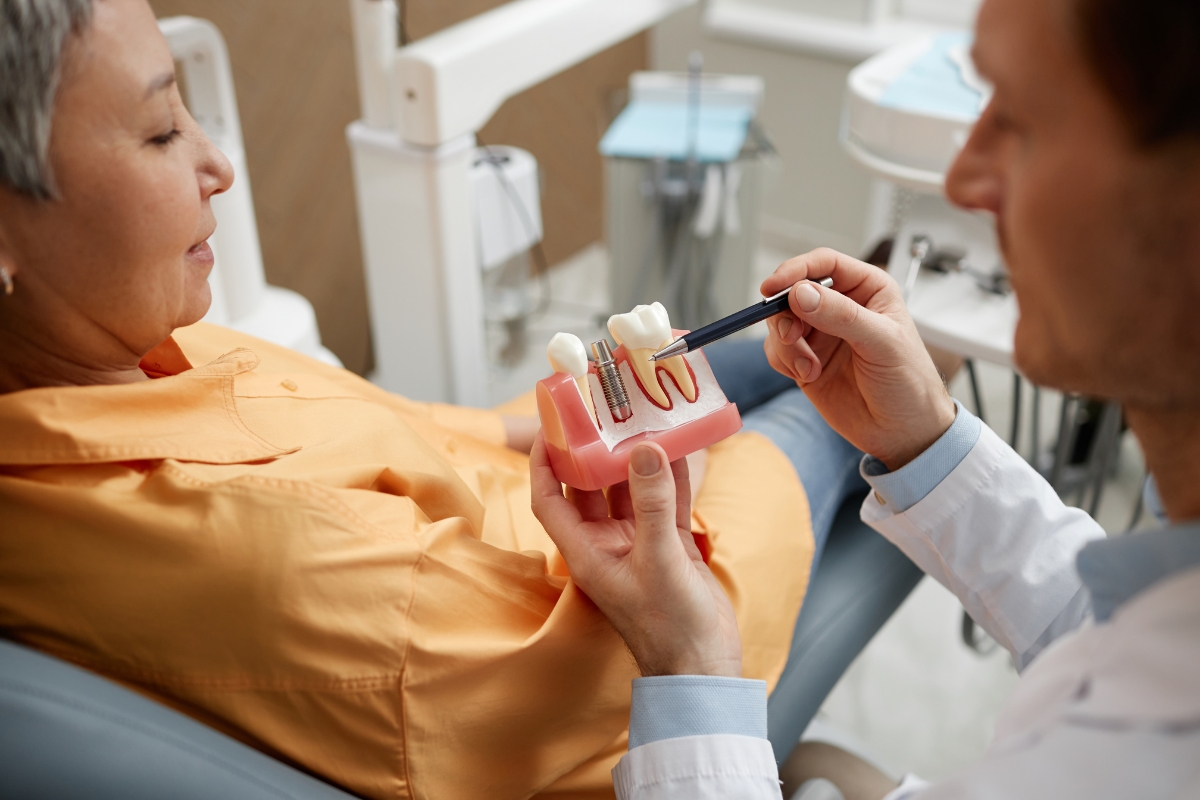
You start with an exam and X-rays or a 3D scan, so your dentist can check bone, gums, and overall health. If your jawbone is thin, you may need a bone graft first, which adds a few months of healing.
Next comes surgery to place the post, usually under local anesthesia. Many people say it’s less painful than they feared. Then you wait, typically three to six months, while the bone fuses with the implant. Finally, the abutment and custom crown go on.
Start to finish, expect about five to eight months. Simple cases can be faster, and complex ones can stretch toward a year. A temporary tooth is often available so you’re not walking around with a gap.
Who’s a Good Candidate?
Most healthy adults can get implants. Your dentist will check for enough jawbone, healthy gums, and good overall health. Smoking, uncontrolled diabetes, and some medications can slow healing or raise risks, so those get discussed upfront.
Not sure if you qualify? Get checked by a dentist offering dental implants near Green Bay. Often, there’s a workaround, like grafting, for problems that sound like deal-breakers.
Taking Care of Your Implant
Good news: care is simple. Brush twice a day, floss, and keep up with your regular dental visits. Skip hard habits like chewing ice or using your teeth as tools.
Gum health around the implant matters most. An infection called peri-implantitis can threaten an implant, so cleanings and exams stay important even though the implant itself can’t get a cavity.
FAQs: Frequently Asked Questions
Q: Does getting a dental implant hurt?
A: The procedure is done with anesthesia, so you shouldn’t feel pain during it. Some soreness and swelling afterward are normal and usually manageable with over-the-counter medication.
Q: How long do dental implants last?
A: Often 25 years or more with proper care. The crown may need replacing sooner because of normal wear.
Q: Can I get an implant right after a tooth is pulled?
A: Sometimes, yes. Other times, your dentist will want the area to heal first, depending on bone and infection.
Q: Are dental implants covered by insurance?
A: Coverage varies a lot. Some plans cover part of the cost; others don’t. Ask your insurer and the office providing dental implants in Green Bay before treatment.
Q: What if I’m missing several teeth?
A: Implants can support bridges or full dentures, so you don’t need one implant per missing tooth. Your dentist can map out an option that fits.
Ready to Replace Your Missing Teeth?
You don’t have to keep living around a gap. Implants give you something that looks, feels, and works like a real tooth, and they protect your mouth along the way.
Eastridge Dental offers dental implants in Green Bay for patients who want a lasting, natural-feeling solution. Reach out today and schedule a consultation to find out whether implants are right for you.