920-468-8144


How Are Dental Implants Improving Dental Health?

Ten, fifteen years ago, losing a tooth mostly meant two choices: a bridge or a denture. Both worked, kind of. But neither fixed what was going on underneath. Implants changed that, and honestly, it’s been a big shift for how dentists think about replacing teeth.
So what makes them different? Why are more people choosing dental implants in Green Bay and everywhere else? Let’s get into it.
What Is a Dental Implant, Exactly?
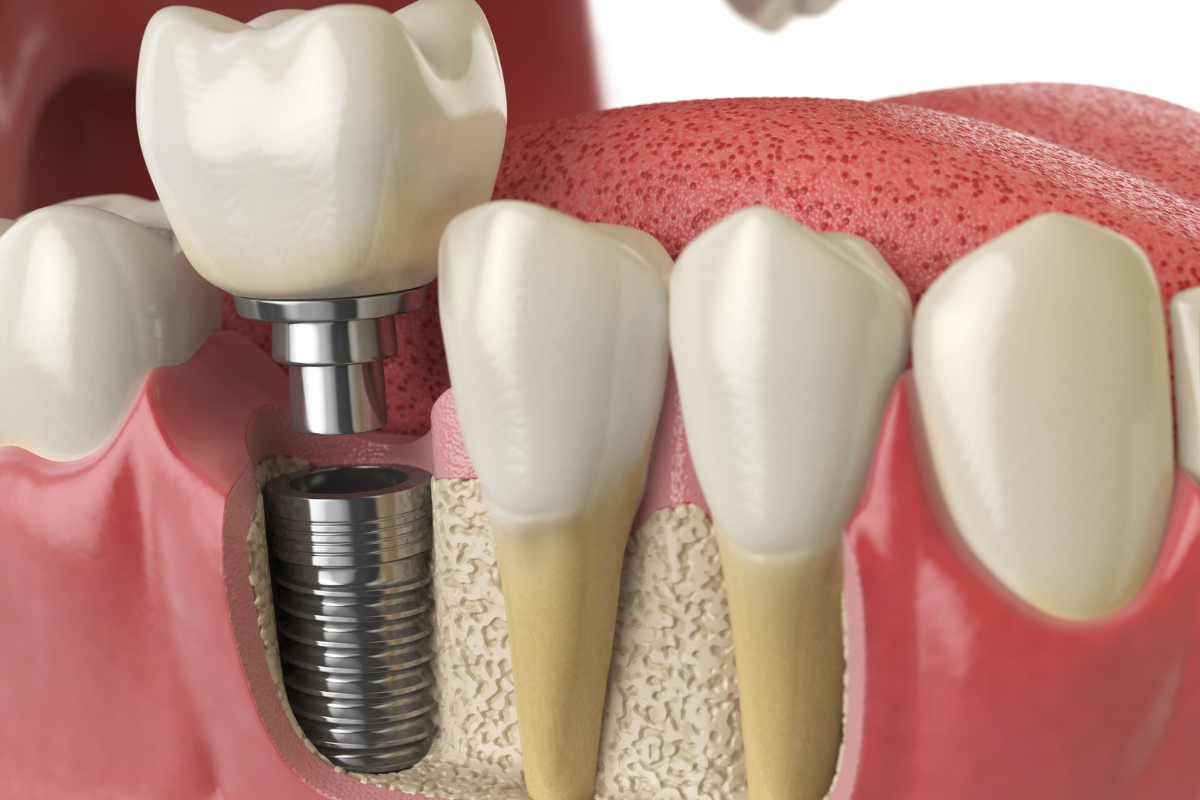
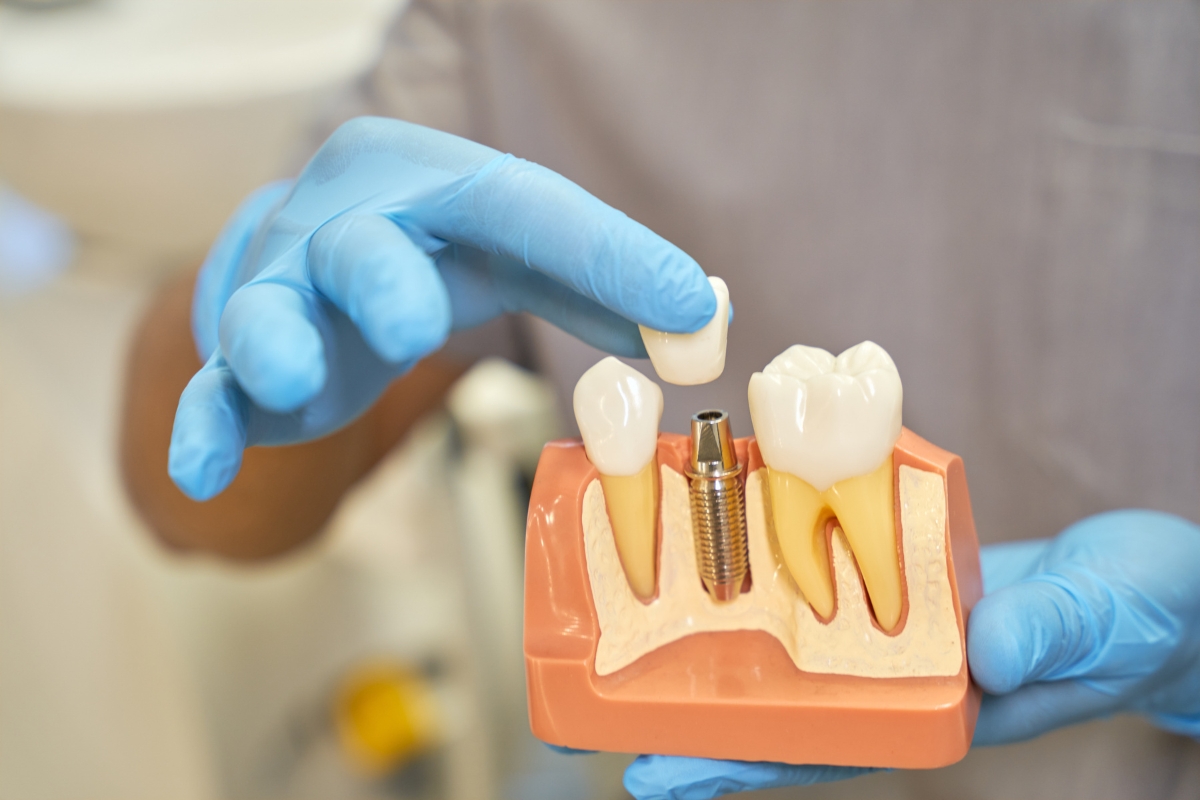
Quick refresher. An implant is a small titanium post placed into your jawbone, where it acts like a tooth root. Over a few months, the bone fuses to it. Then a custom crown gets attached on top, and you’ve got a replacement that looks and works like the real thing.
That root part is the whole story. It’s what separates implants from everything else out there.
7 Ways Dental Implants Are Improving Dental Health
1. They Protect Your Jawbone
Bone needs pressure to stay strong. Chew with a natural tooth, and the root passes that pressure into the jaw. Lose the tooth, and the bone underneath starts shrinking, sometimes noticeably within the first year.
An implant takes over that job. It keeps stimulating the bone, so density stays steadier over time. Bridges and dentures sit on top of the gums, so they can’t do that.
2. They Keep Neighboring Teeth Healthy
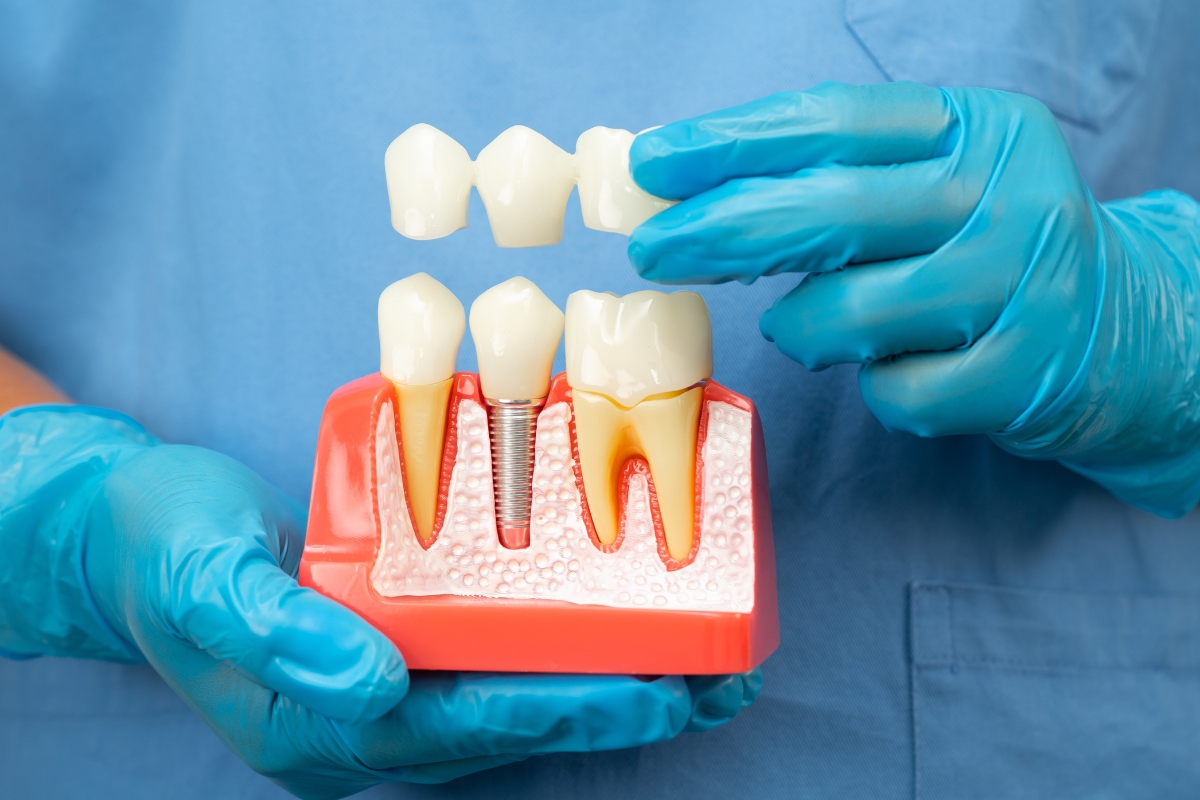
Traditional bridges need the teeth beside the gap to be filed down for support. Perfectly healthy teeth, trimmed for the sake of a replacement. Not ideal, right?
Implants stand alone. Nothing next to them gets touched. If you’re comparing dental implants near Green Bay with other options, this one’s a real selling point for a lot of patients.
3. They Help Your Bite Stay Balanced
Leave a gap open and the surrounding teeth start drifting toward it. Opposing teeth can creep out of their sockets too. Over time, your bite shifts, and that can bring jaw pain, uneven wear, even headaches.
Filling the space with an implant keeps everything where it belongs.
4. They Make Eating Easier
Anyone who’s tried chewing with a missing molar knows the struggle. You favor one side, avoid certain foods, maybe skip the steak entirely. Dentures can slip, too, which makes eating out a little stressful.
Implants stay put. You chew with close to full strength again, and a varied diet gets easier, which helps your overall health beyond just your mouth.
5. They Make Cleaning Simple
No special adhesives, no soaking overnight. You brush and floss an implant much like a natural tooth, plus your regular cleanings. That matters because good hygiene around the implant keeps your gums healthy and lowers the risk of infection nearby.
Dentists still check the area closely at each visit, since gum inflammation around an implant, called peri-implantitis, can cause problems if ignored.
6. They Last a Long Time
Here’s a number worth knowing. With good care, implants can last 25 years or more, sometimes for life. Bridges and dentures usually need replacing every 7 to 15 years.
So yes, the upfront cost is higher. But fewer replacements, fewer repairs, and fewer surprises tend to even things out. Plenty of people choosing dental implants in Green Bay see them as a long-term investment, not a quick patch.
7. They Support Your Confidence and Daily Comfort
This one’s harder to measure, but it counts. Missing teeth can make you self-conscious, change how you speak, or keep you from smiling in photos. Implants look natural and feel natural. You stop thinking about them.
That ease, being able to laugh, eat, and talk without worrying, is a health benefit too. Less stress, more social comfort, better quality of life.
What Does the Process Look Like?
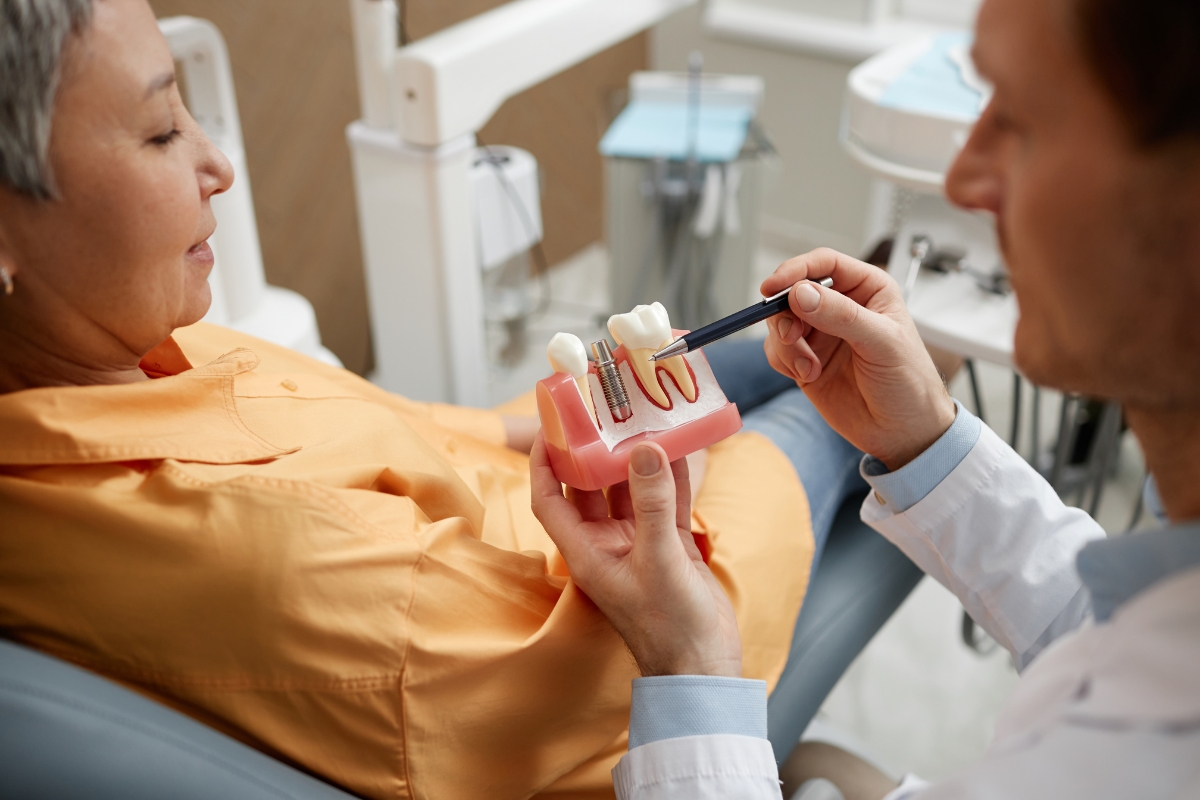
Most implant journeys follow a few stages. First comes a consultation with X-rays or a 3D scan. If your jawbone’s too thin, you might need a bone graft first. Then comes the surgery, usually done with local anesthesia, followed by a healing period of about three to six months while the bone fuses.
After that, your dentist adds a connector piece and the final crown. From start to finish, expect roughly five to eight months, though simple cases can be quicker and complex ones longer.
Who Makes a Good Candidate?
Most healthy adults can get implants. You need enough jawbone, reasonably healthy gums, and a commitment to good oral hygiene. Smoking and uncontrolled diabetes can slow healing, so those get discussed upfront.
Not sure whether you qualify? A visit with a dentist who handles dental implants in Green Bay can answer that after a proper exam. Bone grafts often fix the bone problem, so being told your jaw’s too thin isn’t always a dealbreaker.
FAQs: Frequently Asked Questions
1. Are dental implants painful?
The procedure uses anesthesia, so you shouldn’t feel pain during it. Afterward, mild soreness is normal and usually manageable with over-the-counter medication.
2. How long do dental implants last?
Often 25 years or more with proper care, and sometimes a lifetime. The crown on top may need replacing sooner.
3. Can anyone get dental implants?
Most healthy adults can. Enough bone and healthy gums matter most, and bone grafting can help when density is low. A consultation about dental implants near Green Bay will tell you where you stand.
4. Do implants need special care?
Not really. Brush twice daily, floss, and keep up with regular dental visits, just like with natural teeth.
5. Are dental implants better than dentures?
For many people, yes. Implants protect bone and stay stable, while dentures can slip and don’t stop bone loss.
Ready to Rebuild Your Smile the Right Way?
A missing tooth doesn’t have to stay missing, and a temporary fix doesn’t have to be your only choice. Implants give you a replacement that actually supports your long-term oral health.
Eastridge Dental offers dental implants in Green Bay for patients who want a lasting solution, not just a quick cover-up. Reach out today or visit our clinic at 2343 E Mason St, Green Bay, WI 54302, and improve your smile today.