920-468-8144


How Dentists Ensure Better Oral Health For Different Ages?

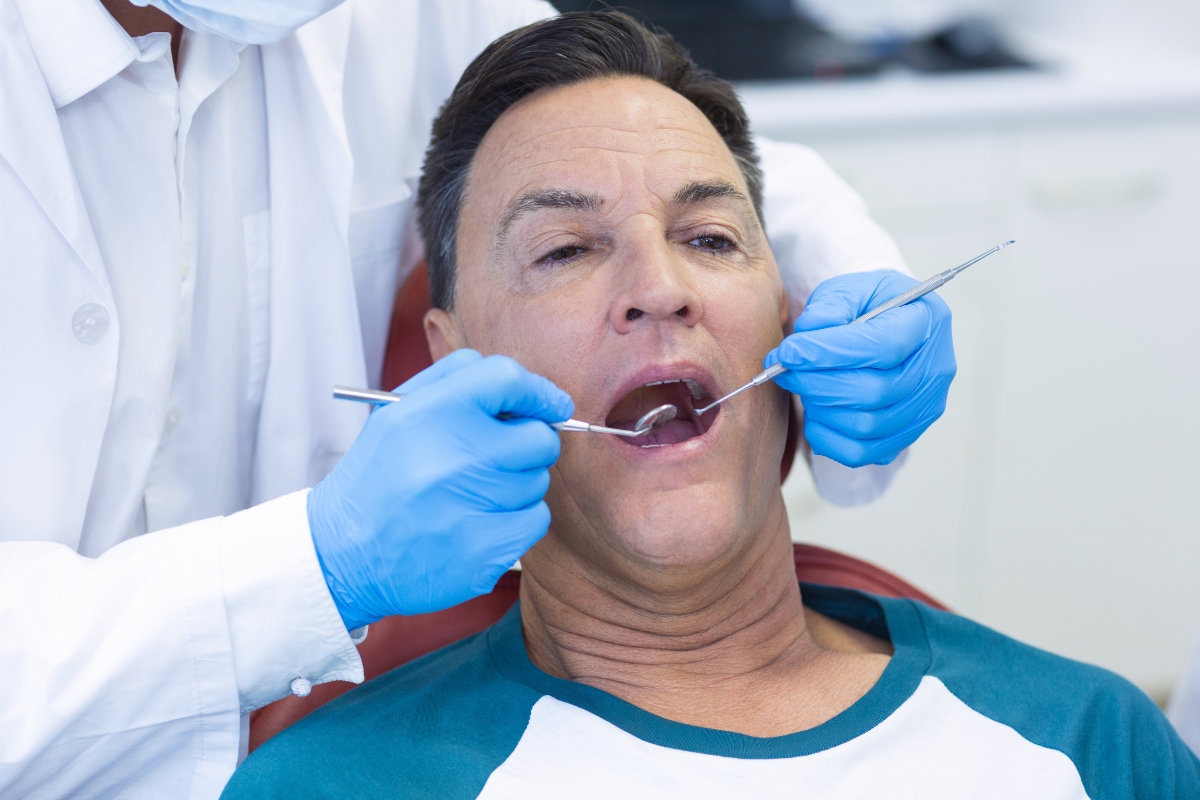
Here’s something people forget: your mouth at five looks nothing like your mouth at fifty. Different teeth, different risks, different problems. So it makes sense that dental care shouldn’t be one-size-fits-all, right?
A good dentist in Green Bay doesn’t treat a toddler the way they’d treat a retiree. The goals shift, the tools change, and even the conversation sounds different. Let’s walk through what proper care actually looks like at each stage.
Babies and Toddlers (Ages 0 to 3)
Believe it or not, dental care starts before the first tooth even shows up. Wiping your baby’s gums with a damp cloth after feeding clears bacteria early. Once teeth appear, usually around six months, a soft brush takes over.
The first dental visit should happen by age one, or within six months of that first tooth. Sounds early, doesn’t it? But it’s mostly about getting your little one comfortable and catching any early issues, like bottle decay, before they take hold. A family-friendly dentist near Green Bay can also walk you through pacifier habits, thumb sucking, and teething without making you feel judged.
Children (Ages 4 to 12)
This is the cavity-prone stage, honestly. Kids love sugar, hate flossing, and brush for maybe twenty seconds if you’re lucky. Dentists tackle that with a few smart tools.
Fluoride treatments strengthen young enamel. Dental sealants, thin protective coatings painted onto back molars, block food and bacteria from settling into those deep grooves. And regular checkups every six months let your dentist in Green Bay track how adult teeth are coming in, spotting crowding or bite problems early enough to do something about them.
Making visits fun matters too. A kid who feels relaxed at the dentist is far more likely to keep going as an adult.
Teenagers (Ages 13 to 19)
Teens get tricky. Braces, wisdom teeth, sports injuries, sugary drinks, and a general “I’m fine, Mom” attitude all collide at once. Dentists here focus on a few things.
Orthodontic evaluation is a big one. Many teens benefit from braces or clear aligners, and a dentist can refer you or handle it directly. Mouthguards for sports protect against knocked-out teeth, which happen more often than parents expect. And wisdom teeth get monitored, since they usually start causing trouble in the late teens or early twenties.
Dentists also talk straight about vaping, energy drinks, and sodas. Teens tend to listen better to a professional than to a parent, strangely enough.
Young Adults (Ages 20 to 35)
Life gets busy, and dental checkups often slide down the priority list. Big mistake. This is when small cavities quietly grow and early gum disease starts showing up, often without any pain at all.
Regular cleanings every six months keep plaque and tartar in check. Dentists also watch for teeth grinding, usually from stress, and recommend night guards when needed. If wisdom teeth haven’t been dealt with yet, this is often when removal happens.
Cosmetic goals show up here too. Whitening, bonding, and straightening all become popular, and a trusted dentist in Green Bay can match options to your budget and lifestyle.
Middle-Aged Adults (Ages 36 to 60)
Now gum health takes center stage. Gum disease becomes more common after 35, and it’s actually the leading cause of tooth loss in adults. Dentists measure gum pocket depths during exams, catching trouble before teeth loosen.
Old fillings and crowns also start wearing out around this stage, so replacement timelines matter. Missing teeth might call for implants, bridges, or partial dentures. And dentists screen for oral cancer during routine visits, a quick check that can genuinely save lives when caught early.
Medications change the picture too. Many common prescriptions cause dry mouth, which raises cavity risk. Tell your dentist what you’re taking, even if it seems unrelated.
Seniors (Ages 60 and Up)
Older adults face a different set of challenges. Dry mouth, receding gums, root cavities, and worn enamel all become more common. Dentures, partials, and implants often enter the picture.
Dentists adjust care accordingly. They recommend fluoride rinses or prescription toothpaste for root decay, check denture fit regularly, and screen for oral cancer and gum disease more carefully. Comfort matters too, so appointments often get paced differently, with more time and patience.
For anyone with mobility or memory concerns, caregivers play a role. A dentist near Green Bay will usually offer practical tips for helping loved ones brush and floss safely at home.
What Stays the Same at Every Age
Despite all those differences, a few basics apply to everyone. Brush twice a day with fluoride toothpaste. Floss daily. Limit sugary snacks and drinks. And visit your dentist regularly, usually every six months, though some people need more frequent checkups.
That consistency is really the secret. Preventive care catches problems when they’re small, cheap, and easy to fix, whether you’re six or sixty.
FAQs: Frequently Asked Questions
1. When should my child first see a dentist?
By their first birthday, or within six months of their first tooth appearing. Early visits build comfort and catch issues early.
2. How often should adults get dental checkups?
Every six months for most people. Those with gum disease, diabetes, or frequent cavities may need visits more often, so ask your dentist in Green Bay what schedule fits you.
3. Are dental sealants only for kids?
They’re most common in children, but adults prone to deep-groove cavities can benefit too.
4. Why does gum disease become more common with age?
Years of plaque buildup, medications, health conditions, and natural gum recession all raise the risk over time.
5. Can seniors still get dental implants?
Often, yes. Good overall health and enough jawbone matter more than age itself.
Ready to Take Care of Every Smile in Your Family?
Whether you’re booking a first checkup for your toddler or finally addressing a long-ignored issue of your own, there’s no wrong time to start. Better oral health begins with one appointment.
Eastridge Dental is a trusted dentist in Green Bay, caring for patients of every age with gentle, personalized treatment. Reach out today or visit our clinic at 2343 E Mason St, Green Bay, WI 54302, and improve the oral health of your family.