920-468-8144


How to Know If You Need a Tooth Extraction: Warning Signs and Symptoms

Is your tooth pain trying to tell you something?
A toothache can range from a mild annoyance to a sharp, persistent pain that disrupts your daily routine. While many dental problems can be treated with fillings, crowns, or root canal therapy, there are situations where saving the tooth is no longer the healthiest option. Knowing when to seek professional care can prevent infection, reduce discomfort, and protect your overall oral health.
If you are considering tooth extraction in Green Bay, understanding the warning signs can help you make an informed decision before the condition becomes more serious. At Eastridge Dental, Dr. Meier carefully evaluates each patient to determine whether preserving the natural tooth is possible or removing it is the safest option. This guide explains the most common signs that indicate a dental evaluation should not be delayed and what to expect if an extraction becomes necessary.
When Is a Tooth Beyond Repair?
A tooth may need to be removed when damage, infection, or structural weakness cannot be treated successfully with restorative procedures.
Dentists always aim to preserve natural teeth whenever possible. Treatments such as fillings, dental crowns, periodontal care, or root canal therapy often restore function and relieve pain. However, when these options are unlikely to provide long-term success, a dental extraction may be recommended to prevent further complications.
A comprehensive examination, digital X-rays, and a discussion of your symptoms help determine the most appropriate treatment. Every recommendation is based on your oral health, the condition of the affected tooth, and your long-term dental goals.
1. Persistent Tooth Pain That Does Not Improve
Ongoing pain is one of the clearest warning signs that something is wrong. Pain that persists for several days or intensifies when chewing, biting, or drinking hot or cold beverages may indicate deep decay, nerve damage, or an advanced infection. While discomfort alone does not always mean a tooth must be removed, it should never be ignored.
Many patients initially believe the pain will disappear on its own. In reality, untreated infections often progress, making treatment more complicated over time. A professional examination helps determine whether the tooth can still be restored or whether professional tooth extraction is the healthier choice.
2. Severe Infection That Cannot Be Saved
Can an infected tooth always be treated with a root canal?
Not always, if the infection has destroyed too much of the tooth or surrounding bone, keeping the tooth may no longer be predictable.
Signs of a serious infection may include:
- Swelling around the gums or jaw
- Persistent throbbing pain
- A pimple-like bump on the gum
- Bad taste or drainage
- Fever or facial swelling in more advanced cases
When an infection continues to spread despite conservative treatment, removing an infected tooth may be necessary to protect neighboring teeth and surrounding tissues.
Patients from Green Bay and nearby communities such as De Pere, Bellevue, and Howard often seek prompt care from the local dental office because delaying treatment can allow an infection to spread to additional areas of the mouth.
3. A Tooth That Is Broken Below the Gumline
Not every broken tooth requires removal.
Small chips or fractures can often be repaired using bonding or dental crowns. However, when the fracture extends beneath the gumline or into the root, the tooth may no longer be stable enough to be restored safely.
In these situations, delaying treatment can increase discomfort and create opportunities for bacteria to enter deeper tissues.
Depending on the location and complexity of the damage, your dentist may recommend either a simple tooth removal or a surgical tooth extraction to safely remove the damaged tooth while preserving the surrounding bone whenever possible.
4. Advanced Gum Disease Causing Loose Teeth
Healthy gums provide the support needed to keep teeth firmly in place.
As periodontal disease progresses, bacteria gradually destroy the bone and connective tissues that anchor the teeth. Even if the tooth itself remains healthy, the supporting structures may become too weak to maintain long-term stability.
Common warning signs include:
- Teeth shifting position
- Loose teeth
- Gum recession
- Bleeding while brushing
- Difficulty chewing certain foods
Before recommending a permanent tooth removal, the dentist carefully evaluates the remaining bone support and discusses whether periodontal treatment can still preserve the tooth.
At Eastridge Dental, Dr. Meier takes a conservative approach by exploring restorative options first. When tooth extraction in Green Bay becomes the most appropriate recommendation, patients also receive guidance on replacement options such as dental implants, bridges, or dentures to help restore function and appearance.
5. Recurring Problems With the Same Tooth
If the same tooth continues to cause discomfort despite previous treatment, it may be time to reassess the long-term solution.
A tooth that has undergone multiple fillings, a crown, or even root canal therapy can weaken over time. Repeated fractures, recurring infection, or persistent discomfort may indicate that the tooth can no longer function predictably. In these cases, removing a damaged tooth may help eliminate ongoing problems and protect neighboring teeth from additional stress.
Many patients feel uncertain about losing a natural tooth. However, removing a tooth that cannot be restored often prevents repeated emergency visits and creates an opportunity for a healthier, more stable replacement.
6. Impacted Wisdom Teeth or Overcrowding
Do wisdom teeth always need to be removed? No, wisdom teeth are removed only when they cause current or future oral health concerns.
Impacted wisdom teeth may remain trapped beneath the gums or grow at an angle. This can place pressure on adjacent teeth, increase the risk of infection, or make cleaning difficult. In other cases, limited space in the mouth may cause crowding that affects bite alignment or orthodontic treatment.
A clinical examination and digital imaging help determine whether tooth removal is appropriate or whether monitoring the tooth is a better option.
What Happens During the Tooth Extraction Procedure?
The procedure depends on the tooth’s position and condition, but patient comfort remains the priority throughout treatment.
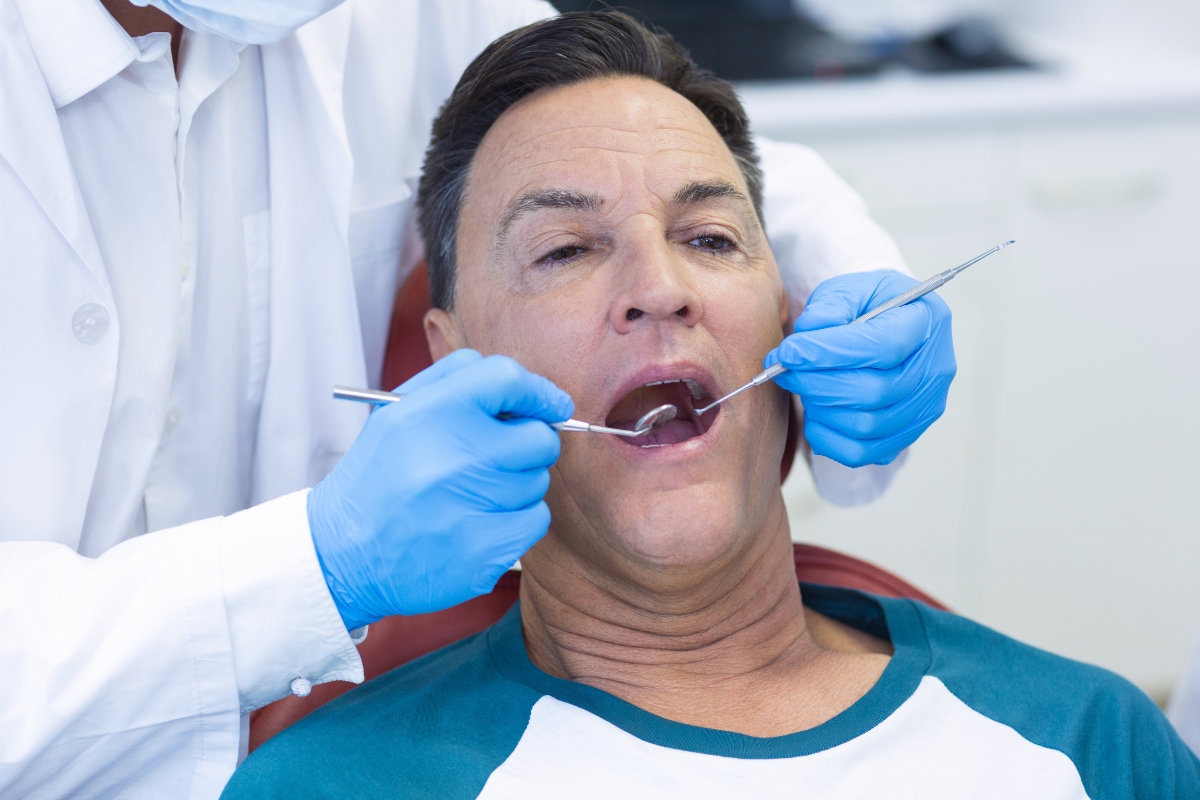
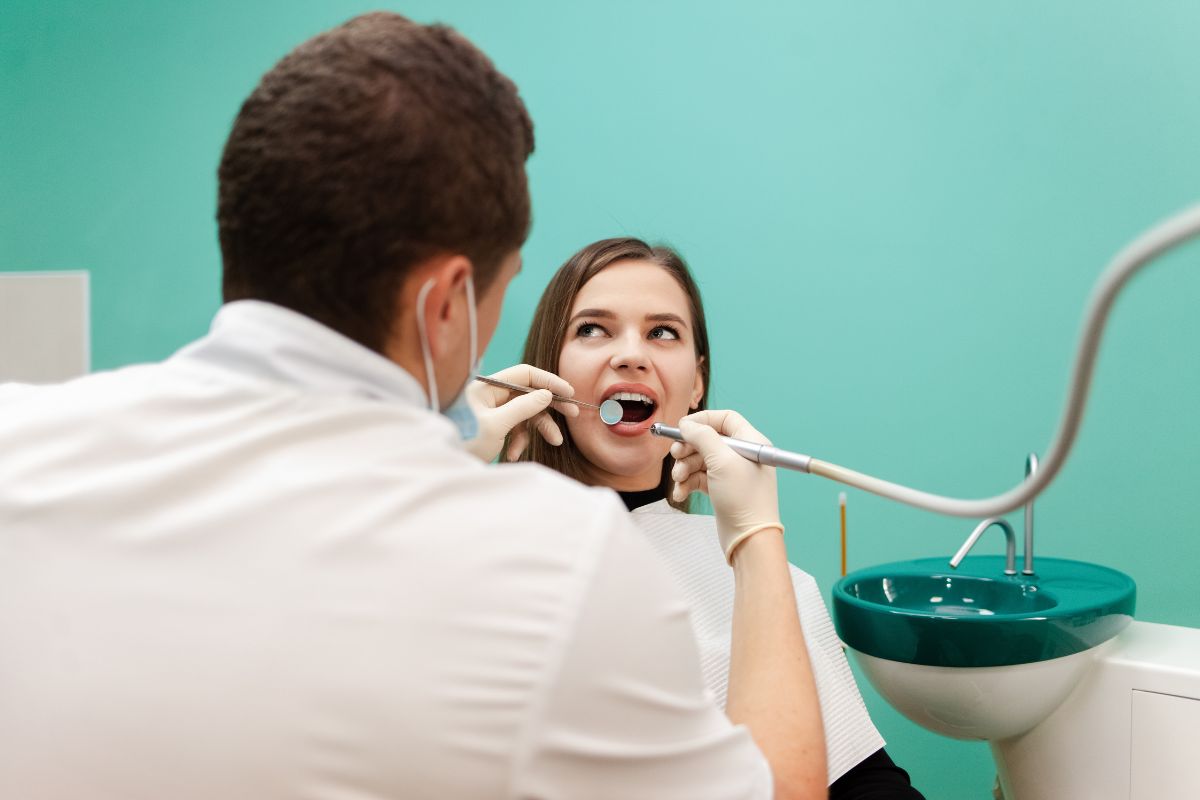
Before treatment begins, your dentist reviews digital X-rays, explains the procedure, and discusses anesthesia options. A tooth extraction procedure may involve a straightforward removal for fully visible teeth or a more advanced approach for impacted or severely damaged teeth.
After the tooth is removed, the area is carefully cleaned and protected to encourage healing. Detailed aftercare instructions help minimize discomfort and reduce the risk of complications.
Depending on your needs, your dentist may also discuss services such as dental implants, bridges, or dentures to restore your smile after healing. Patients who require tooth extraction in Green Bay often appreciate having these restorative options available under one roof at trusted dental practices like Eastridge Dental.
Why You Shouldn’t Ignore the Warning Signs
Waiting too long can make dental problems more difficult to manage.
Pain that comes and goes, swelling, or a loose tooth may seem manageable today, but these symptoms can worsen without treatment. Early evaluation often provides more treatment options and helps protect surrounding teeth and gums.
Many patients who visit after months of discomfort say they wish they had scheduled an examination sooner. A timely diagnosis allows your dentist to determine whether conservative care is still possible or whether tooth removal offers the healthiest long-term outcome.
If you notice persistent symptoms, visit our dental practice in Green Bay for a comprehensive evaluation before the condition progresses further.
Recovery After a Tooth Is Removed
Most patients recover comfortably when they follow their post-treatment instructions.
Your dentist may recommend that you:
- Bite gently on gauze to control bleeding.
- Avoid smoking or using a straw during the first few days.
- Eat soft foods while the area heals.
- Brush carefully around the treatment site.
- Take prescribed or recommended medications as directed.
- Attend follow-up visits if advised.
Following these guidelines supports healing after tooth removal and reduces the risk of complications such as dry socket.
If you are considering tooth removal in Green Bay, your dentist will also explain replacement options that help maintain your bite, chewing function, and facial support after healing.
Don’t Ignore the Signs Your Smile Is Giving You
Knowing when a tooth can be saved and when it should be removed is an important step toward protecting your oral health. At Eastridge Dental, Dr. Meier carefully evaluates every patient and recommends treatment based on clinical findings, comfort, and long-term function. Whether you need a routine evaluation, guidance after an injury, or a tooth extraction in Green Bay, our team is here to help you understand your options with confidence.
If you have ongoing tooth pain or notice any of the warning signs discussed above, don’t wait for the problem to worsen. Contact us and let our team help you restore a healthier, more comfortable smile.
Frequently Asked Questions
Can a dentist always save an infected tooth?
Not always. Many infected teeth can be treated with root canal therapy when the damage is limited. However, if the infection has severely weakened the tooth or affected the surrounding bone, removal may be the healthier option. A dental evaluation determines which treatment offers the most predictable long-term result.
How do I know if my tooth pain is serious?
Pain that lasts more than a day or two, worsens while chewing, or is accompanied by swelling, drainage, or fever should be evaluated promptly. These symptoms may indicate infection or structural damage that requires professional treatment. Seeking care early often provides more treatment choices.
Will removing a tooth be painful?
Modern dental techniques and local anesthesia help keep patients comfortable during treatment. You may feel pressure during the procedure, but significant pain is not expected. Mild soreness afterward is common and is usually managed with recommended medications and proper home care.
What can replace a missing tooth after removal?
Several options are available depending on your oral health and treatment goals. Dental implants, bridges, and dentures are commonly recommended to restore chewing ability, maintain alignment, and improve appearance. Your dentist will explain which solution is most appropriate after healing.
When should I schedule an evaluation instead of waiting?
If you have persistent pain, swelling, a cracked tooth, loose teeth, a recurring infection, or difficulty chewing, scheduling an examination is the safest course of action. Early treatment helps prevent additional damage and allows your dentist to recommend the most suitable treatment before the problem becomes more complex.