920-468-8144


The 60-Minute Window: How Emergency Dentists Save Knocked-Out Teeth

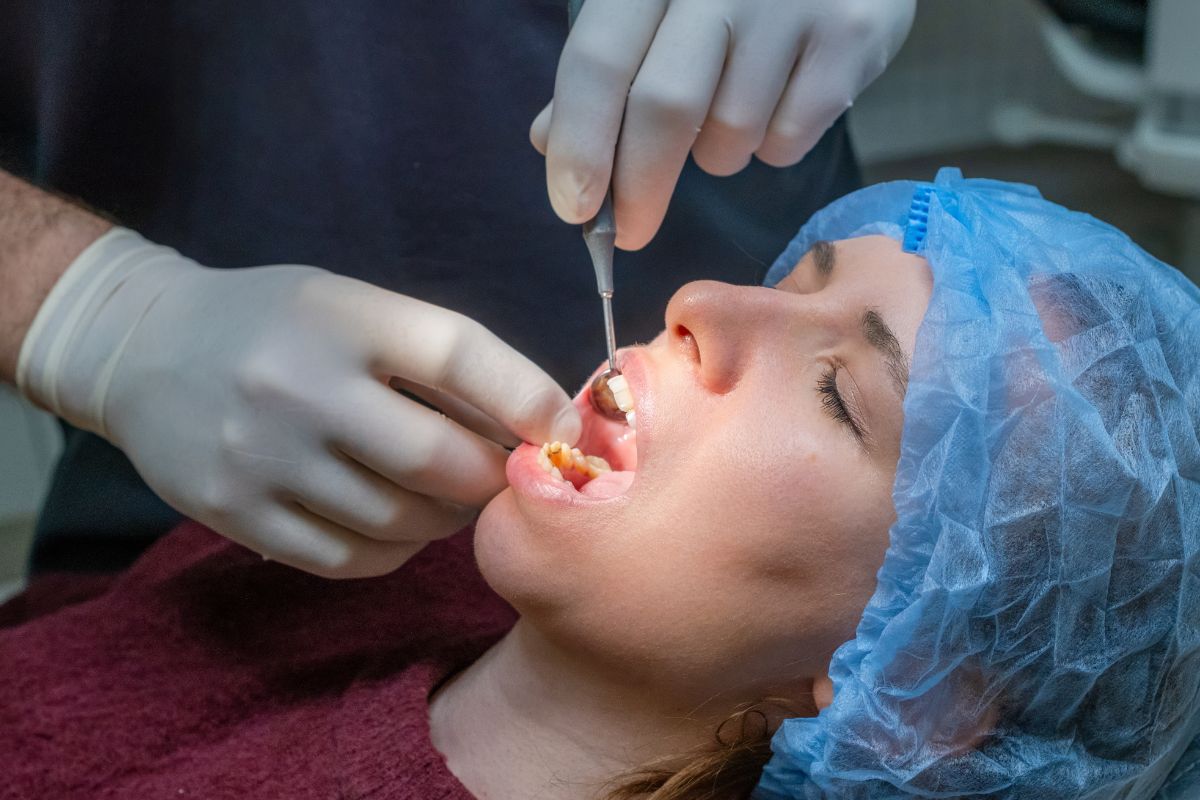
Yes, an emergency dentist can successfully replant and save a knocked-out permanent tooth if care is provided quickly. The absolute ideal timeframe for replantation is within 30 to 60 minutes of the injury, during which the periodontal ligament cells on the root remain viable. Immediate clinical stabilization, correct handling, and appropriate storage media are crucial for reattachment.
A dental impact can happen in a split second. Whether a stray puck hits you at an adult league hockey match at the Resch Center, a fall occurs while biking along the Fox River Trail, or an unexpected blow lands during local athletics, a fully knocked-out tooth, clinically referred to as tooth avulsion, is one of the few true time-sensitive dental emergencies. The sudden gap in your smile, paired with bleeding and discomfort, can be jarring. However, losing a tooth from its socket does not automatically mean losing it forever.
At Eastridge Dental, our experienced clinicians, Drs. Carolyn W. Meier & William R. Meier, combine decades of clinical precision and gentle emergency protocol to stabilize avulsed teeth and restore natural smiles. If you or a loved one is currently facing a traumatic oral injury, time is of the essence; contact us right away and visit our dental office for immediate intervention.
What Happens Biologically When a Tooth Is Knocked Out?
Tooth avulsion completely severs the neurovascular bundle at the apex and tears the delicate periodontal ligament (PDL) fibers connecting the root to the alveolar bone. Replantation success hinges entirely on maintaining the living state of these outer PDL cells. If the cells remain viable, they can reattach to the socket wall and promote natural tissue healing.
According to data maintained by the National Institutes of Health (NIH), oral and dental trauma accounts for approximately 17% of total bodily injuries in children, with peak incidences occurring between ages 7 and 11. When a permanent tooth is dislodged, the clock begins ticking immediately.
The outer surface of the tooth root is lined with thousands of microscopic periodontal ligament (PDL) cells. These cells act as living anchors between the hard dentin of the root and the surrounding jawbone. When exposed to dry air for longer than 15 minutes, these delicate cells dehydrate and begin to die. If an avulsed tooth dries out completely, the body can no longer reattach the root naturally, leading to replacement resorption (where the bone gradually absorbs the root tissue over time).
Critical First-Aid Steps Before Reaching the Emergency Dentist
Carefully retrieve the tooth by its top crown section, rinse it briefly under cold water if dirty without scrubbing, and attempt to gently reinsert it into the socket. If reinsertion isn’t possible, submerge the tooth in a proper storage medium like cold milk or Hanks’ Balanced Salt Solution (HBSS).
Handling an acute injury on the spot requires a calm, systematic approach. Knowing how to preserve a knocked-out tooth before arriving at a clinic for a dental emergency in Green Bay directly impacts whether that tooth can be saved.
Immediate Protocol for Tooth Preservation
- Handle Exclusively by the Crown: Never touch the yellow-white root surface. Touching or scrubbing the root crushes the fragile periodontal ligament cells necessary for reattachment.
- Rinse Gently (If Necessary): If the tooth fell onto the turf or dirt, rinse it under cold, running water or milk for no more than 10 seconds. Do not use soap, alcohol, or hand sanitizer, and do not scrub with a cloth.
- Attempt Immediate Re-implantation: If the patient is conscious and alert, gently push the tooth back into its socket in the proper orientation. Have them bite down softly on a clean piece of gauze or a damp cloth to hold it in place.
- Use an Appropriate Preservation Liquid: If reinsertion is impossible, keep the root moist. Place the tooth in an approved container filled with:
- Hanks’ Balanced Salt Solution (HBSS) (found in many sports first-aid kits)
- Cold Whole Milk (its pH, osmolality, and nutrient profile preserve cell walls)
- Saliva (placed inside the patient’s cheek pocket, provided they are old enough not to swallow it)
Important Note: Do not store an avulsed tooth in tap water. Plain water is hypotonic relative to living cells, causing the PDL cells on the root surface to swell, burst, and die.
How an Emergency Dentist Treats and Saves a Knocked-Out Tooth
Emergency dentists flush the socket to clear blood clots, gently reinsert the root, and apply a flexible splint across adjacent teeth for 1 to 2 weeks. Root canal therapy is typically initiated 7 to 10 days later to remove devitalized pulp tissue and prevent internal infection.
When you arrive for a dental emergency in Green Bay, our primary goal is establishing rapid stabilization while preserving tissue integrity.
- Comprehensive Diagnostic Assessment: High-resolution intraoral radiographs or Cone-Beam CT imaging are taken immediately. This checks for underlying root fractures, alveolar socket wall fractures, or foreign debris.
- Socket Preparation & Local Anesthesia: Local anesthetic is administered for complete comfort. The empty socket is gently irrigated with sterile saline to clear blood clots and debris without scraping the bony walls.
- Controlled Replantation: The tooth is guided back into its precise anatomical position within the alveolar bone.
- Flexible Splint Application: A thin, flexible wire or composite splint is bonded across the replanted tooth and neighboring stable teeth. Unlike rigid cast splints of the past, modern flexible splints allow slight physiological movement, which stimulates proper PDL reattachment and minimizes ankylosis risks.
- Post-Operative Infection Control: Systemic antibiotics (such as amoxicillin or doxycycline) and chlorhexidine rinses are prescribed to prevent bacterial contamination during initial healing.
- Follow-Up Endodontic Therapy: Because the blood supply to a fully formed tooth is severed during avulsion, the internal nerve (pulp) cannot regenerate. Within 7 to 14 days after replantation, endodontic therapy (a root canal) is completed to clear necrotic tissue and seal the canal, ensuring long-term stability.
Storage Media Performance Comparison
Selecting the right storage environment while traveling to an urgent clinic for a dental emergency in Green Bay significantly influences the long-term prognosis.
| Storage Medium | Cell Viability Duration | Physiological Suitability | Overall Rating |
| Hanks’ Balanced Salt Solution (HBSS) | Up to 24 Hours | Ideal pH & Osmolality | Optimal (Gold Standard) |
| Cold Whole Milk | Up to 2–6 Hours | Compatible pH (6.5–6.8) & Essential Nutrients | Excellent (Widely Available) |
| Buccal Vestibule (Inside Cheek) | 1–2 Hours | Patient’s own saliva, risk of swallowing/aspiration | Acceptable Alternative |
| Saline Solution (0.9%) | Up to 1 Hour | Balanced osmolality, lacks nutrients | Fair / Short-Term |
| Tap Water | Less than 15 Minutes | Hypotonic; causes cell lysis (bursting) | Unsafe (Avoid) |
Preventing Dental Trauma During Local Sports and Activities
While emergency care can save teeth, prevention remains the strongest defense against sudden trauma. In an active community like ours, whether kids are playing high school football, practicing gymnastics, or enjoying outdoor recreation around Lambeau Field or Bay Beach, protective gear is vital.
A custom-fitted athletic mouthguard distributes impact forces evenly across the dental arch, dramatically reducing the risk of tooth displacement, root fractures, and soft-tissue lacerations. Unlike off-the-shelf “boil-and-bite” options from local sporting goods stores, custom mouthguards crafted in a professional lab offer precise fit, minimal speech interference, and superior shock absorption.
Schedule a Diagnostic Evaluation at Eastridge Dental
Every tooth avulsion case presents unique anatomical and periodontal factors. If you or a family member has experienced a dental injury, do not delay care. Contact Eastridge Dental immediately or visit our dental office in Green Bay to schedule a personalized diagnostic evaluation and receive expert, urgent care tailored to your exact needs.
Frequently Asked Questions (FAQs)
Can a knocked-out baby tooth be replanted?
No, dentists do not replant knocked-out primary (baby) teeth. Replanting a primary tooth can injure the developing permanent tooth germ underneath and introduce localized infection into the bone.
How long can a knocked-out tooth survive outside the mouth?
A tooth has the highest chance of survival if replanted within 30 minutes. Beyond 60 minutes of dry time, root cell survival drops significantly, increasing failure risks.
Is a root canal always necessary after replanting a knocked-out tooth?
Yes, for fully mature permanent teeth, a root canal is necessary. Because the blood supply is severed, endodontic therapy prevents bacterial infection and root resorption.
What if I cannot find the knocked-out tooth after an injury?
If the tooth is missing, seek immediate emergency dental care anyway. Your dentist will evaluate socket damage, check surrounding teeth for hidden fractures, and discuss restorative replacement options.
Will a replanted tooth look and feel natural?
Yes, once stabilized with a flexible splint and treated endodontically, a replanted natural tooth functions, bites, and looks identical to your surrounding natural teeth.
Can tap water be used to clean an avulsion injury?
Tap water should only be used briefly (10 seconds max) to rinse loose debris. Storing a tooth in tap water damages root cells due to improper osmolality.
What should I eat while recovering from a replanted tooth splint?
Stick to a soft-food diet for two weeks following replantation. Avoid biting directly into hard foods with the splinted tooth to give periodontal tissues time to reattach.