920-468-8144


The Connection Between Gum Disease and Tooth Removal

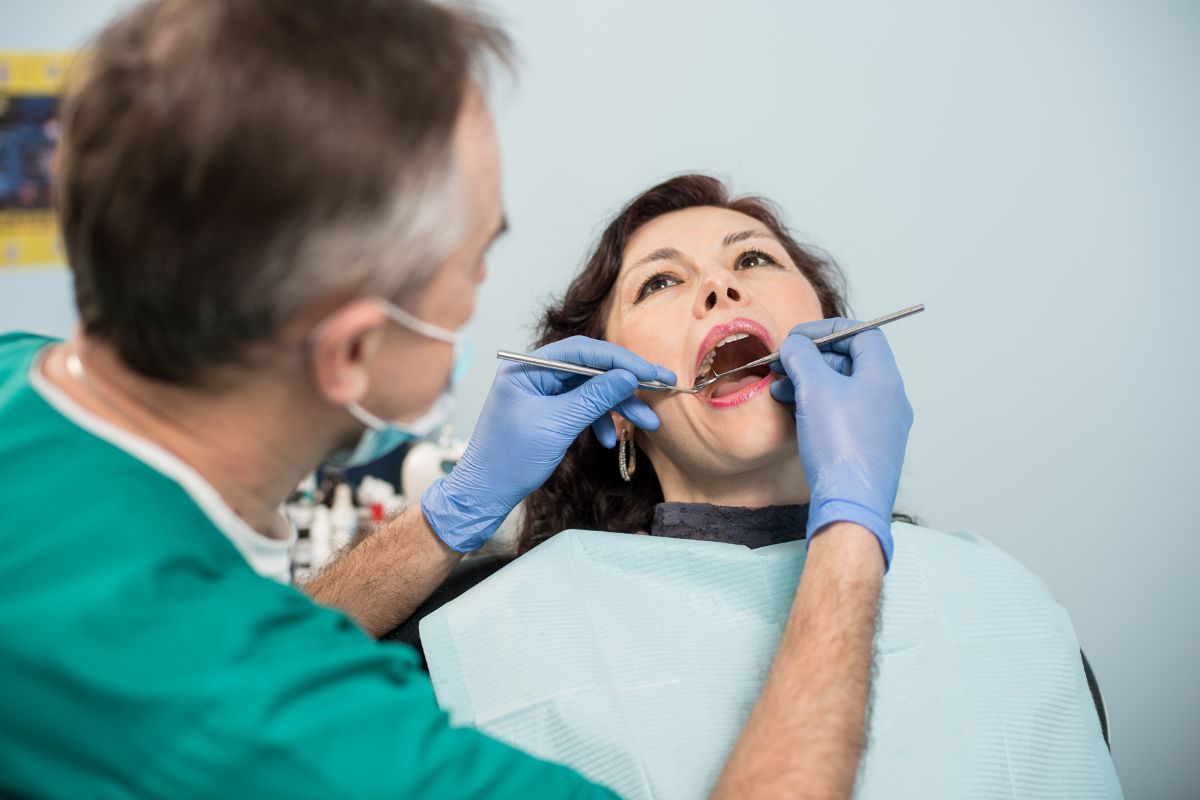
Gum disease is a common dental issue that can lead to significant oral health problems if left untreated. In this city, many people are unaware of the serious consequences of periodontal disease, including the need for tooth removal. This blog will explore how these diseases can result in tooth extraction and why it’s important to seek dental care early. If you’ve noticed any signs of gum disease or tooth discomfort, it’s essential to visit your dental office promptly. Doing so can help prevent further complications.
What is Gum Disease?
Periodontal disease is an infection that affects the tissues surrounding the teeth. It begins with plaque buildup, which leads to inflammation. If left untreated, the infection can spread to deeper tissues, causing the gums to pull away from the teeth. This condition can eventually damage the bone structure that supports your teeth, increasing the risk of tooth loss. In this city, residents may be at risk due to various factors such as diet, lack of proper oral hygiene, and smoking. All of these contribute to the development of periodontal disease.
How Periodontal Disease Leads to Tooth Loss
Periodontal disease typically progresses through stages, with each stage becoming more severe and potentially leading to tooth loss. Let’s break down how this progression happens:
Early Stage: Gingivitis
Gingivitis is the earliest stage of periodontal disease. It happens when a sticky film of bacteria, called plaque, accumulates on the teeth. This causes the gums to become swollen, red, and bleed easily during brushing or flossing. At this point, the damage is still reversible, and the condition can be treated with improved oral hygiene and a professional cleaning at your dental office.
Progression to Periodontitis
If gingivitis is left untreated, it progresses to periodontitis. In this stage, the infection spreads below the gum line, and the tissues and bone that hold the teeth begin to break down. Gums may start to recede, forming pockets of infection. As these pockets deepen, the tooth becomes less stable, and the surrounding bone and tissues are further damaged. This stage is where tooth extraction in Green Bay becomes the only option left to protect oral health and prevent the infection from spreading.
Advanced Periodontitis and Tooth Loss
In advanced periodontitis, the tooth’s supporting structures are severely damaged. This can lead to loose teeth or even complete tooth loss. If the bone is too damaged, saving the tooth is no longer an option, and the dentist may recommend removal surgery.
When is Tooth Extraction Necessary?
There are several reasons why tooth removal becomes necessary due to gum disease, including:
- Severe Gum Recession: When the gums recede too much, the tooth may no longer be secure in the socket.
- Infection: Advanced periodontal disease can lead to a severe infection that affects the root of the tooth.
- Loose Teeth: As the bone deteriorates, the tooth may loosen and fall out or require extraction.
- Pockets Between Gums and Teeth: In the later stages, deep pockets form between the gums and teeth, which cannot be cleaned effectively by regular brushing or flossing.
If you’re experiencing any of these issues, visit our dental office in Green Bay today. Our dentist will assess the situation and determine whether removal is the best course of action.
How is Tooth Extraction Performed?
When gum disease has progressed to the point where tooth extraction is needed, the procedure is straightforward and performed under local anesthesia to ensure comfort. The dentist will carefully loosen the tooth and remove it from its socket. If necessary, the area may be cleaned to remove any remaining infection. In some cases, a bone graft or other treatments may be recommended to prepare the area for future restoration, such as dental implants.
Can Gum Disease Be Prevented?
Yes! Periodontal disease is largely preventable with good oral hygiene habits. To reduce your risk, make sure to:
- Brush your teeth at least twice a day using fluoride toothpaste.
- Floss daily to remove plaque between the teeth.
- Visit your dentist regularly for cleanings and check-ups.
- Avoid smoking, which can contribute to disease.
- Eat a healthy diet rich in fruits and vegetables, which help keep your gums healthy.
- Taking care of your gums today can prevent the need for tooth removal tomorrow.
Protect Your Oral and Gum Health with Us
If you’re experiencing symptoms of gum disease or have concerns about your oral health, don’t wait. Schedule an appointment at Eastridge Dental for an evaluation and treatment options, including tooth removal if necessary. Our team is here to help you maintain a healthy smile and avoid complications down the road. However, if there is nothing left to do, then we might suggest tooth extraction to prevent further damage.
Frequently Asked Questions
1. How do I know if I have gum disease?
Look out for swollen, bleeding gums, bad breath, and loose teeth. If any of these symptoms occur, visit your dental office for an evaluation.
2. Can gum disease be reversed?
Yes, in the early stages, gingivitis can be reversed with proper oral care and professional cleanings. However, advanced stages may require more intensive treatments.
3. How can tooth extraction help with gum disease?
Tooth removal removes a diseased tooth that cannot be saved, helping to stop the spread of infection and preserve the health of your remaining teeth and gums.
4. Is tooth extraction painful?
The procedure is generally painless because the area is numbed with local anesthesia. Recovery times vary depending on the complexity of the removal.
5. How can I avoid tooth extraction due to gum disease?
Maintain a strong oral hygiene routine, avoid tobacco, and keep regular dental appointments for check-ups and cleanings to prevent gum disease.