920-468-8144


Can dental implants be rejected by the body?

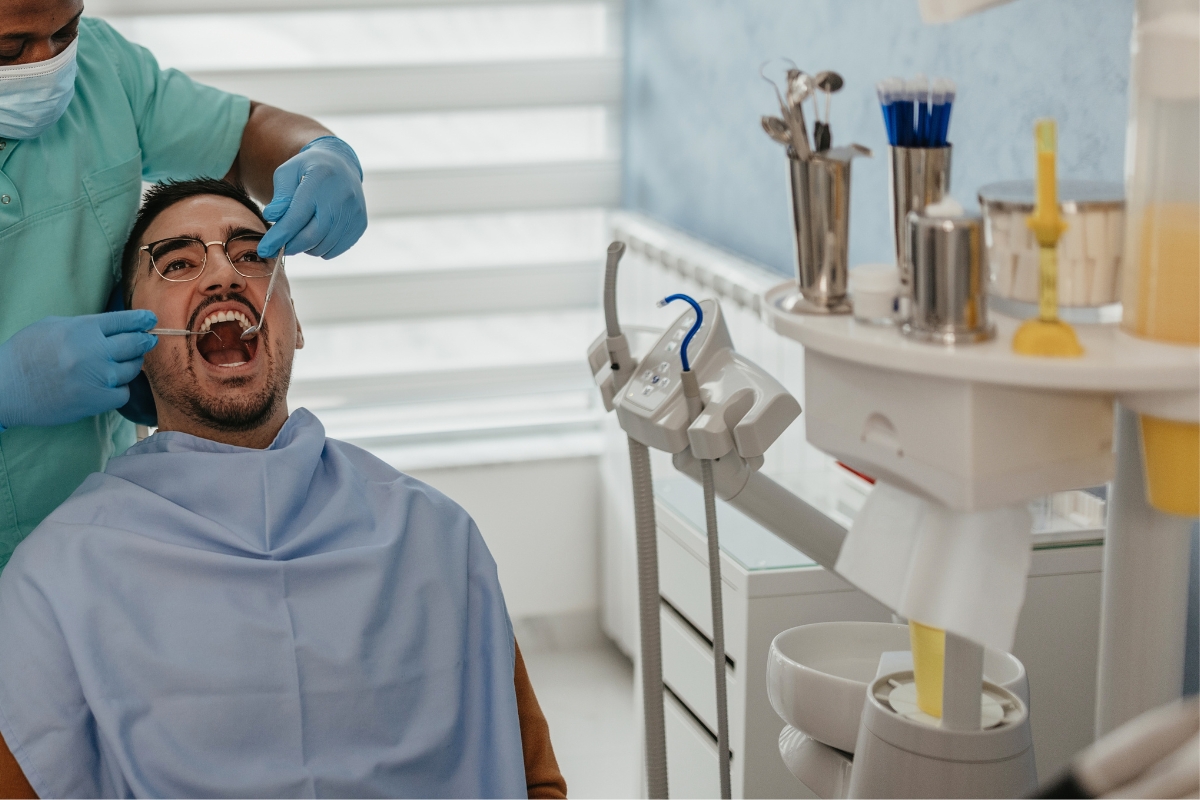
Dental implants are a revolutionary solution for those who have lost teeth due to injury, decay, or other health issues. They offer a durable and aesthetically pleasing alternative to traditional dentures. However, a common concern among patients is whether dental implants can be rejected by the body. This comprehensive guide will explore the factors influencing implant rejection, the body’s response to implants, and ways to ensure successful outcomes.
What Are Dental Implants?
Dental implants are titanium posts surgically placed into the jawbone beneath the gum line. These posts act as artificial tooth roots, providing a stable foundation for replacement teeth, such as crowns or bridges. Titanium is used because of its biocompatibility, meaning it is generally well-accepted by the body and integrates well with bone tissue.
The Process of Osseointegration
Osseointegration is the process through which the jawbone bonds with the titanium implant. This crucial step determines the success of the dental implant. When osseointegration occurs correctly, the implant becomes a permanent part of the jawbone, providing stability for the attached dental prosthetics.
Steps in Osseointegration:
- Initial Healing: After the implant is placed, the surrounding bone begins to heal around it.
- Bone Growth: The bone grows and integrates with the implant, a process that can take several months.
- Final Integration: The implant becomes securely anchored in the jawbone, ready to support a crown or bridge.
Can the Body Reject Dental Implants?
While dental implants have a high success rate, there are instances where they may fail or be perceived as being “rejected” by the body. However, true biological rejection, similar to organ transplant rejection, is rare. More often, failure is due to other factors such as infection, insufficient bone density, or improper placement.
Factors Influencing Implant Rejection
1. Infection
Peri-implantitis is an infection that can occur around the implant site. It leads to inflammation of the gum and bone loss, jeopardizing the implant’s stability. Maintaining excellent oral hygiene and regular dental check-ups are crucial in preventing infections.
2. Insufficient Bone Density
Adequate bone density is essential for the implant to anchor securely. If the jawbone is too thin or soft, it may not support the implant properly. Bone grafts or other preparatory procedures might be necessary to ensure sufficient bone structure.
3. Medical Conditions
Certain medical conditions can affect the healing process and the overall success of dental implants. Patients with uncontrolled diabetes, autoimmune diseases, or those undergoing radiation therapy in the head or neck area need careful assessment before proceeding with implants.
4. Poor Oral Hygiene
Neglecting oral hygiene can lead to peri-implantitis and other complications. Patients must commit to regular brushing, flossing, and professional cleanings to maintain implant health.
Ensuring Successful Dental Implants
Success rates for dental implants are high when proper protocols are followed. Here are essential tips for ensuring the longevity and success of your dental implants:
Pre-Implant Evaluation
Before getting dental implants, a thorough evaluation by a dental professional is essential. This includes:
- Dental X-Rays and CT Scans: To assess bone structure and density.
- Medical History Review: To identify any underlying health conditions that may affect the procedure.
- Personalized Treatment Plan: Tailored to the patient’s specific needs and health status.
Post-Implant Care
Post-operative care is critical in ensuring the implant heals correctly and integrates with the jawbone. Key aspects include:
- Follow-Up Visits: Regular appointments to monitor healing and address any issues promptly.
- Oral Hygiene: Strict adherence to oral hygiene practices to prevent infection.
- Lifestyle Modifications: Avoiding smoking and excessive alcohol consumption, which can hinder healing.
Conclusion
Dental implants offer a reliable and permanent solution for tooth loss, with a high success rate. Understanding the potential risks and the factors that can lead to implant failure is essential for both patients and dental professionals. With proper care, evaluation, and maintenance, dental implants can provide a lifetime of benefits, restoring both function and aesthetics to your smile.
For those considering dental implants, consulting with an experienced dentist near you and adhering to recommended care protocols will significantly enhance the likelihood of a successful outcome.