920-468-8144


How Often Should You Visit the Dentist for a Checkup?

Be honest. When was your last dental visit? If you had to stop and think about it, you’re in good company. Life gets busy, teeth feel fine, and that appointment keeps sliding down the to-do list. But here’s the catch. Teeth can feel perfectly fine while trouble quietly builds underneath. So how often should you really go? Let’s sort it out.
The Precise Answer
For most people, it’s every six months. Twice a year. That’s the standard advice from dentists, and it’s been around for a long time because it works. Six months is roughly how long it takes for plaque to harden into tartar, and for small problems like early cavities to show up before they turn painful.
Now, “most people” isn’t everyone. Some folks can stretch it out. Others need to come in more often. The right schedule depends on your mouth, your health, and your habits. A dentist in Green Bay can set that rhythm for you after a proper exam.
Why Regular Checkups Actually Matter
Think about your car. You wouldn’t wait for the engine to die before ever changing the oil, right? Teeth work the same way. Routine visits catch things while they’re small, cheap, and easy to fix.
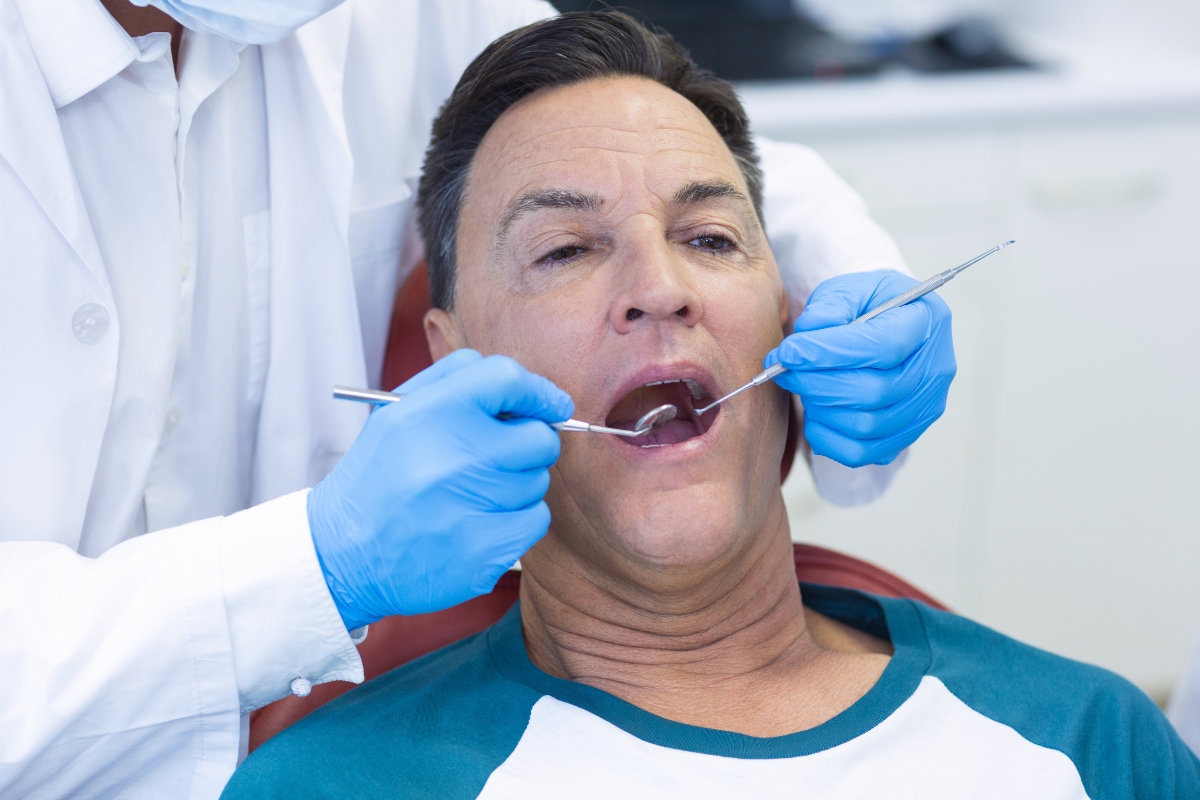
During a typical checkup, you get a professional cleaning that removes plaque and tartar your toothbrush can’t reach. The dentist examines your teeth for decay, checks your gums for signs of disease, and looks over your tongue, cheeks, and throat for anything unusual, including early signs of oral cancer. X-rays, usually once a year or so, reveal problems hiding between teeth or under old fillings. None of that hurts, by the way. Most people are surprised at how quick and painless it is.
Who Might Need Visits More Often?
Some situations call for checkups every three to four months. Not as a punishment, but because your mouth may need extra attention. Regular visits help your dentist catch developing problems early, prevent complications, and keep your oral health on track.
1. People with Gum Disease
If you’ve had gum disease, you may need more frequent cleanings to prevent it from getting worse. Without regular care, bacteria can damage the gums and the bone supporting your teeth, eventually leading to tooth loss. A dentist in Green Bay can monitor your gum health and recommend timely treatment.
2. If You’re Facing Frequent Cavities
If you keep getting cavities, there’s probably an underlying reason, such as poor enamel protection, frequent snacking, or dry mouth. Delaying checkups allows decay to spread deeper into your teeth, potentially requiring root canals or crowns. Regular visits help your dentist identify patterns and strengthen your cavity-prevention routine.
3. Diabetes and Other Health Conditions
If you have diabetes, you’re more likely to develop gum infections, which can also make blood sugar harder to control. Heart conditions and a weakened immune system may create additional oral health concerns. Regular dental visits help identify inflammation and infections early, so you can get appropriate care before complications develop.
4. Smokers and Tobacco Users
Smoking and tobacco use reduce blood flow to your gums, increase the risk of gum disease, and make oral cancer more likely. You may not notice early changes because symptoms can develop gradually. More frequent dental exams help your dentist spot suspicious sores, tissue changes, and gum problems before they become serious.
5. If You Are Pregnant
Pregnancy hormones can make your gums more sensitive, swollen, and likely to bleed, a condition known as pregnancy gingivitis. Ignoring these symptoms can allow gum inflammation to worsen. Regular dental visits help you manage these changes, address infections promptly, and maintain healthy gums throughout your pregnancy.
6. Frequent Dry Mouth
If your mouth often feels dry, you may have less saliva to wash away food particles and neutralize acids. This increases your risk of cavities, bad breath, and oral infections. Your dentist can identify possible causes, recommend saliva substitutes or preventive treatments, and help protect your teeth before decay develops.
Who Can Go Less Often?
Some people with excellent oral health, no history of gum disease, and very few cavities may be fine with one visit a year. But that should be your dentist’s call, not just a guess you make on your own. Skipping around the schedule based on how your teeth feel is a risky game, since early decay and gum problems usually don’t feel like anything at all.
What About Kids?
Children should see a dentist by their first birthday, or within about six months of their first tooth coming in. After that, every six months is typical. Kids are cavity-prone, and regular visits let the dentist apply sealants and fluoride and keep an eye on how adult teeth are coming in.
Starting early also helps kids feel comfortable. A child who grows up thinking the dentist is no big deal tends to become an adult who actually shows up. That alone is worth a lot. Finding a friendly dentist in Green Bay for the whole family can make this easier.
What About Older Adults?
Dry mouth, receding gums, root cavities, worn fillings. Older adults face their own set of challenges, and regular visits matter just as much, maybe more. If you wear dentures, you still need checkups. Your dentist checks the fit, your gums, and your mouth for soreness or other changes.
Signs You Shouldn’t Wait for Your Next Visit
Even if you’re on schedule, certain things mean you should call right away. Tooth pain that lingers, swelling in the gums or face, bleeding gums that don’t improve, a loose tooth, sensitivity that’s new and getting worse, or a sore in your mouth that doesn’t heal within two weeks. Don’t sit on these. Waiting rarely makes any of them better.
Tips to Make Your Visits Count
A few small things help. Keep up with brushing twice a day and flossing daily, so there’s less to fix. Write down questions before your appointment, because they tend to vanish once you’re in the chair. Share your full health history and medications, since they matter more than you’d think. And if you feel nervous, say so. Good dentists are happy to slow down, explain things, and work at your pace.
Booking your next appointment before you leave the office is another trick. It’s easy to forget otherwise, and six months disappears fast. Most offices, including any dentist in Green Bay, will happily set your next date at checkout.
FAQs: Frequently Asked Questions
Q: Is going to the dentist once a year enough?
A: For some people with very healthy mouths, yes. But most do better with two visits a year. Ask your dentist in Green Bay what fits your situation.
Q: Do I need a checkup if my teeth feel fine?
A: Yes. Cavities and gum disease often have no symptoms in the early stages, and that’s exactly when treatment is simplest.
Q: How long does a dental checkup take?
A: Usually about 45 minutes to an hour, including the cleaning and exam. New patients may need a bit longer.
Q: Does dental insurance cover checkups?
A: Many plans cover two cleanings and exams per year, often at little or no cost. Check your plan, or ask a dentist near Green Bay to help you sort out the details.
Q: What if I haven’t been in years?
A: Don’t feel embarrassed. Dentists see this all the time. Just book a visit, and they’ll help you build a plan from where you are.
Ready to Book Your Checkup?
Regular dental visits are one of the easiest ways to protect your health, your smile, and your wallet. No dramatic change needed. Just a couple of appointments each year.
Eastridge Dental is a trusted dentist in Green Bay, offering gentle, thorough checkups for patients of all ages. Contact us today or visit us at our clinic at 2343 E Mason St, Green Bay, WI 54302, and stay ahead of problems instead of chasing them.