920-468-8144


What Our Dentist Recommends Packing in a Lunchbox

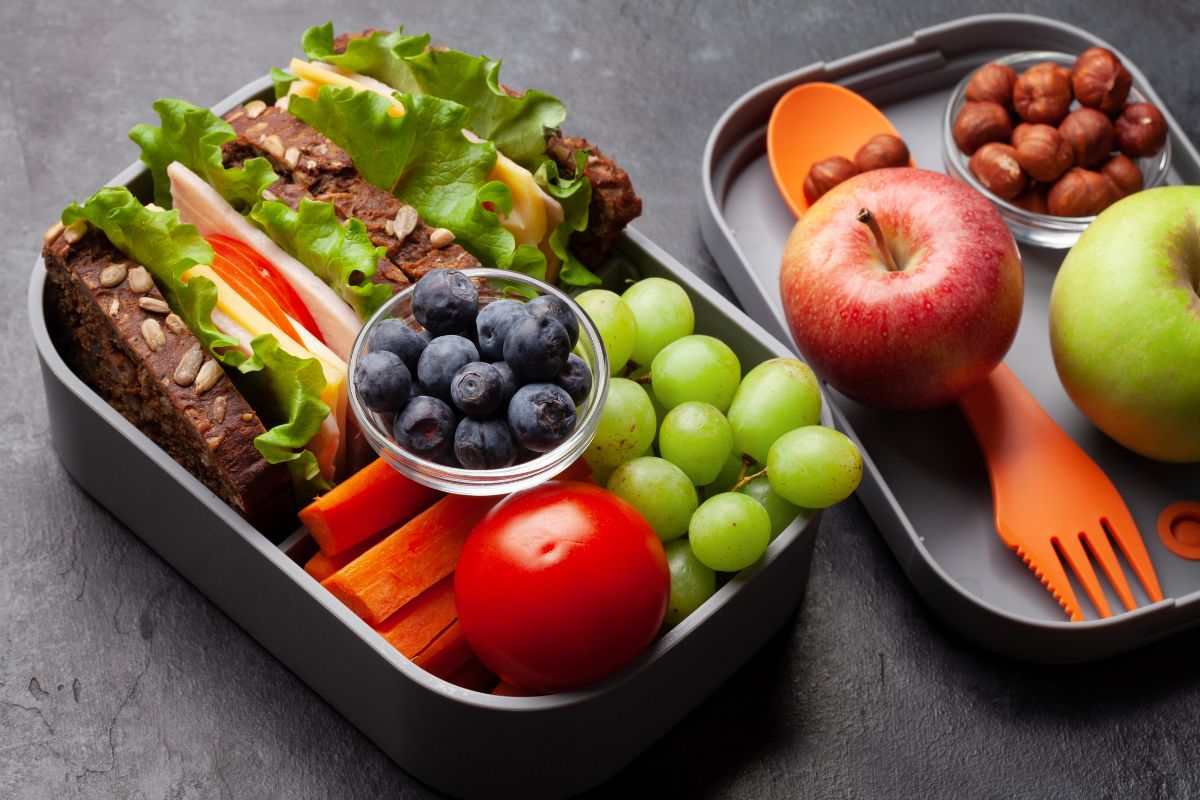
Packing a lunchbox is about much more than keeping children full until the final school bell. Every snack they eat throughout the day affects their oral health, influencing how well their teeth resist cavities, how healthy their gums remain, and even how fresh their breath stays. While brushing and flossing are essential, the foods children reach for between meals can either strengthen their teeth or create the perfect environment for harmful bacteria.
At Eastridge Dental, Dr. Carolyn Meier and our team often tell families that the same lunchbox recommendations we share with our own loved ones are the ones we recommend to our patients. Choosing the right snacks today can help reduce dental problems tomorrow. If you’d like personalized guidance for your family’s oral health, visit our dental office to schedule a preventive evaluation and receive recommendations tailored to your child’s needs.
This advice is backed by science. According to the Centers for Disease Control and Prevention (CDC), cavities remain one of the most common chronic diseases affecting children, yet they are largely preventable through proper oral hygiene, regular dental visits, and healthier dietary choices. A thoughtfully packed lunchbox is one of the easiest ways parents can support healthy teeth every school day.
What Makes a Snack Smile-Friendly?
A smile-friendly snack nourishes the body while limiting the conditions that allow cavity-causing bacteria to thrive. Foods low in added sugar and rich in nutrients help strengthen teeth, support saliva production, and reduce acid attacks on enamel.
Many parents assume that any food marketed as “healthy” automatically benefits teeth. Unfortunately, products labeled as organic, gluten-free, or low-fat may still contain significant amounts of natural or added sugars that cling to enamel.
When we recommend lunchbox foods to families, we encourage them to look beyond the nutrition label’s front packaging and think about how the food behaves inside the mouth.
A smile-friendly snack generally has several important qualities:
- Low in added sugars
- Rich in calcium or phosphorus
- Contains fiber that naturally cleans tooth surfaces
- Doesn’t remain sticky on teeth
- Encourages chewing, which stimulates saliva
- Provides vitamins that support healthy gums
Saliva deserves special attention because it is the mouth’s natural defense system. It washes away food particles, neutralizes harmful acids, and supplies minerals that help repair early enamel damage.
Children who snack continuously throughout the day expose their teeth to repeated acid attacks. Choosing filling, nutrient-rich foods instead of frequent sugary treats gives teeth valuable time to recover.
Why Does Your Lunchbox Matter More Than You Think?
Children spend many hours away from home, making lunch and snack choices especially important. A balanced lunchbox can protect teeth throughout the school day when brushing after meals isn’t always possible.
Many schools encourage healthy eating, but parents still make most lunch-packing decisions. Small improvements made consistently throughout the school year can have a meaningful impact on oral health.
Think about a typical school day.
A child may eat breakfast at home, enjoy a morning snack, eat lunch, have another afternoon snack, and then return home for dinner. Every eating occasion changes the environment inside the mouth. Foods rich in refined carbohydrates or sugar feed bacteria that produce acids capable of weakening enamel within minutes.
Instead, our dentists recommend focusing on foods that satisfy hunger without repeatedly bathing teeth in sugar.
This approach is especially practical for active families spending weekends exploring local favorites like the Bay Beach Wildlife Sanctuary, walking along the Fox River Trail, or enjoying community events around Lambeau Field. Packing healthier snacks for outings helps maintain consistent eating habits instead of relying on convenience foods that often contain added sugars.
Items to Add to Your Lunch Box for Healthy Oral Condition
Here are the items that you need to lunch for a healthy Smile:
Fresh Fruits: Which Ones Help Teeth the Most?
Fresh fruits can absolutely be part of a healthy lunchbox. The key is choosing whole fruits rather than processed fruit snacks or sugary fruit beverages.
Whole fruits contain fiber that slows sugar absorption while encouraging chewing and saliva production. They also provide valuable vitamins that support healthy gums and overall wellness.
Some of our favorite lunchbox choices include:
Apples
Their crisp texture helps remove some plaque from tooth surfaces while stimulating saliva. Slice them shortly before packing to maintain freshness.
Pears
Pears contain plenty of water and fiber, making them a refreshing option that is gentle on teeth.
Strawberries
Rich in vitamin C, strawberries support healthy gum tissue while providing natural sweetness without excessive stickiness.
Blueberries
Blueberries offer antioxidants that contribute to overall health and fit easily into reusable lunch containers.
Grapes
Whole grapes provide hydration and natural sweetness. For younger children, always cut grapes into appropriate sizes to reduce choking risks.
One important reminder: dried fruits like raisins, dried cranberries, and fruit leather often stick to teeth much longer than fresh fruit. Their concentrated sugars remain on enamel and increase cavity risk if children cannot brush soon afterward.
As a dentist in Green Bay, one recommendation we consistently share with families is to pair fruit with a protein source such as cheese or unsweetened yogurt. Doing so slows sugar exposure while helping children stay satisfied longer.
Which Vegetables Belong in a Tooth-Friendly Lunchbox?
Crunchy vegetables are among the best foods for healthy teeth because they require chewing, stimulate saliva, and provide essential vitamins without feeding cavity-causing bacteria. Packing colorful vegetables regularly helps children build lifelong healthy eating habits.
Vegetables are often overlooked in school lunches, yet they offer many of the same oral health benefits as fresh fruit with even less natural sugar. Their high water content helps rinse away food particles, while their fibrous texture gently cleans tooth surfaces during chewing.
Some vegetables our team frequently recommends include:
Carrot Sticks
Carrots are rich in vitamin A, which supports healthy oral tissues. Their crunchy texture also encourages saliva production, which naturally protects enamel.
Cucumber Slices
Cucumbers contain plenty of water, making them refreshing and hydrating. They are easy to pack and pair well with healthy dips.
Bell Pepper Strips
Bell peppers provide an excellent source of vitamin C, an important nutrient for maintaining healthy gums and supporting tissue repair.
Celery
Celery’s fibrous strands encourage prolonged chewing while providing hydration. Pairing celery with a thin layer of unsweetened nut butter creates a satisfying snack without excessive sugar.
Cherry Tomatoes
These bite-sized vegetables provide antioxidants and vitamin C while adding variety to the lunchbox. For younger children, cutting them into smaller pieces may improve safety.
Parents often tell us their children refuse vegetables. Rather than packing large portions that return untouched, start with a few colorful pieces alongside familiar foods. Repeated exposure helps children gradually become more willing to try them.
Which Protein-Rich Snacks Help Keep Teeth Strong?
Protein-rich snacks satisfy hunger, reduce unnecessary grazing, and supply nutrients that support strong teeth and healthy gums. Combining protein with fresh produce creates a balanced lunch that benefits overall and oral health.
One reason children reach for sugary snacks after school is that their lunch lacked enough protein. Including protein helps stabilize energy levels while reducing frequent snacking that repeatedly exposes teeth to acids.
Excellent lunchbox protein choices include:
Cheese Cubes or Cheese Sticks
Cheese supplies calcium, phosphorus, and casein proteins that help strengthen enamel. It also stimulates saliva, making it one of the most dentist-recommended snacks.
Plain Greek Yogurt
Choose varieties without added sugars. Fresh berries can provide natural sweetness while maintaining better nutritional value than flavored yogurts.
Hard-Boiled Eggs
Eggs contain phosphorus, vitamin D, and high-quality protein that contribute to healthy teeth and bones.
Turkey or Chicken Roll-Ups
Lean deli meats with minimal added sodium make convenient, filling options that children often enjoy.
Unsalted Nuts and Seeds
For older children without allergies, almonds, walnuts, sunflower seeds, and pumpkin seeds provide healthy fats, minerals, and protein. Always follow your school’s allergy guidelines before packing them.
One recommendation we often make as a trusted dentist in Green Bay is to think of every lunchbox as a balanced plate rather than simply a collection of snacks. Including protein, fiber, healthy fats, and water creates a meal that supports both oral health and sustained energy throughout the school day.
What Should Children Drink With Their Lunch?
Water remains the healthiest beverage for teeth because it hydrates the mouth without adding sugar or acids. Milk is another excellent choice because it supplies calcium, phosphorus, and vitamin D, which help support strong teeth.
Many beverages marketed toward children contain hidden sugars, even when labeled as juice drinks, fruit beverages, flavored waters, or sports drinks.
Our dental practitioners generally recommend:
- Plain water as the primary beverage
- Milk with meals when appropriate
- Limiting fruit juice to occasional servings rather than daily lunchbox drinks
- Avoiding soda, energy drinks, and sugary-flavored beverages
If your community receives fluoridated public water, drinking tap water can provide an additional layer of protection by helping strengthen enamel over time.
Simple Lunchbox Packing Tips Our Dentists Recommend
Healthy lunchboxes don’t require expensive specialty foods. Consistency matters far more than perfection, and small improvements repeated daily can make a meaningful difference in your child’s oral health.
Here are a few practical habits we recommend to families:
- Pack foods from at least three different food groups.
- Include one crunchy fruit or vegetable every day.
- Pair carbohydrates with protein whenever possible.
- Keep sugary treats for special occasions instead of daily lunches.
- Pack a reusable water bottle instead of sweetened beverages.
- Let children help choose healthy foods to encourage better eating habits.
- Rotate snacks weekly to prevent boredom while maintaining good nutrition.
Families throughout the Green Bay area often spend afternoons at neighborhood parks, youth sporting events, and seasonal festivals where convenient snacks are everywhere. Planning ahead with homemade lunchbox options makes it easier to avoid highly processed foods while keeping children energized during busy days.
How Can Parents Build Healthy Lunchbox Habits That Last?
Healthy lunchboxes are built through consistency, not perfection. Making small, practical changes over time helps children develop eating habits that protect their teeth long after their school years.
Children are more likely to enjoy nutritious foods when they participate in choosing and packing them. Let them pick between two healthy fruits, choose their favorite vegetables, or help prepare simple snacks the night before. This creates a sense of ownership while making healthy eating feel enjoyable instead of restrictive.
Another helpful strategy is to avoid using sweets as rewards. When sugary snacks become a prize, they often seem more desirable than healthier options. Instead, celebrate good choices with non-food rewards, family activities, or extra time doing something your child enjoys.
Remember that no lunchbox has to be perfect every day. Birthdays, classroom celebrations, and special occasions are part of childhood. The goal is to make smile-friendly foods the everyday habit so occasional treats remain exactly that, occasional.
When families ask what we pack for our own loved ones, our recommendation is simple: choose foods that nourish the whole body while protecting the teeth at the same time. Those small daily decisions often make a bigger difference than people realize.
Give Your Loved Ones Every Reason to Smile
A healthy lunchbox is one of the easiest ways to support your child’s oral health between dental visits. When nutritious foods are combined with good brushing habits, daily flossing, and regular professional examinations, children have a much better chance of avoiding preventable cavities and gum problems.
At Eastridge Dental, we’re committed to helping families make informed decisions that support lifelong oral health. Whether you have questions about your child’s nutrition, cavity prevention, or overall dental development, our team is here to help.
Visit our dental office in Green Bay to schedule a personalized diagnostic evaluation with Dr. Carolyn Meier or Dr. William Meier and receive recommendations tailored to your child’s unique oral health needs.
Frequently Asked Questions
1. What is the best snack to pack for healthy teeth?
Cheese, fresh apples, carrots, plain yogurt, and unsalted nuts are excellent choices. They provide important nutrients while encouraging saliva production that naturally helps protect tooth enamel.
2. Are crackers safe for children’s teeth?
Whole-grain crackers are a better option than highly processed varieties. Pairing them with cheese or another protein helps reduce prolonged starch exposure and creates a more balanced snack.
3. Can fruit cause cavities?
Whole fruit is much less concerning than sticky fruit snacks or dried fruit. Eating fresh fruit as part of a balanced meal and drinking water afterward helps reduce cavity risk.
4. Is juice healthier than soda for lunchboxes?
Although juice contains vitamins, it also contains natural sugars that can affect teeth. Water and milk remain the most tooth-friendly beverages for everyday school lunches.
5. How often should children eat snacks during school?
One planned morning snack and lunch are usually sufficient for most children. Constant grazing throughout the day exposes teeth to repeated acid attacks and increases cavity risk.
6. Should children brush their teeth after eating lunch?
Brushing after lunch is beneficial whenever possible. If brushing isn’t available at school, drinking water and choosing smile-friendly foods can help reduce food particles and acids.
7. How often should my child visit the dentist?
Most children benefit from preventive dental examinations and professional cleanings every six months. Your dentist may recommend a different schedule based on your child’s individual oral health needs.