920-468-8144


10 Signs You Need Your Wisdom Teeth Removed

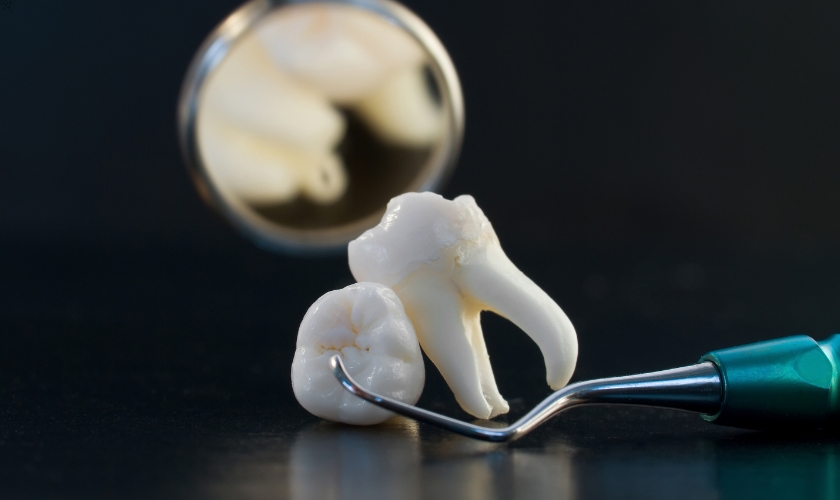
Wisdom teeth, also known as third molars, are the last teeth to emerge in the back of your mouth. While not everyone needs their wisdom teeth removed, there are several signs and symptoms that may indicate the need for extraction.
Explores ten common signs that suggest it might be time to consider wisdom teeth removal.

1. Pain and Discomfort
One of the most common signs that you may need your wisdom teeth removed is pain or discomfort in the back of your mouth where the wisdom teeth are located. This pain can be persistent and may worsen when chewing or biting down.
Causes of Pain
The pain associated with wisdom teeth can result from several factors, including overcrowding of teeth, impaction (when the tooth is trapped beneath the gum or bone), or infection due to the inability to properly clean the area.
2. Swelling and Redness
Swelling and redness around the gums in the back of your mouth can indicate that your wisdom teeth are impacted or infected. This condition, known as pericoronitis, occurs when bacteria become trapped under the gum flap around an impacted wisdom tooth.
Symptoms of Pericoronitis
Symptoms include swollen and irritated gums, bad taste or odor in the mouth, difficulty opening your mouth, and pain around the affected area.
3. Difficulty Opening Your Mouth
If your wisdom teeth are impacted or infected, you may experience difficulty opening your mouth fully. This can be due to pain, swelling, or muscle stiffness in the jaw area.
Impacted Wisdom Teeth
Impacted wisdom teeth that are not able to fully erupt through the gums can lead to stiffness and limited movement of the jaw.
4. Bad Breath
Persistent bad breath, also known as halitosis, can be a sign of infection or decay in the wisdom teeth. This is often caused by bacteria that accumulate around the partially erupted wisdom tooth and are difficult to remove with regular brushing and flossing.
Causes of Bad Breath
The buildup of bacteria and food debris around an impacted wisdom tooth can lead to the production of sulfur compounds, which cause bad breath.
5. Difficulty Chewing
If your wisdom teeth are causing pain or discomfort, you may find it difficult to chew or bite down properly. This can affect your ability to eat certain foods and may lead to further oral health issues if left untreated.
Impacted Wisdom Teeth
Impacted wisdom teeth can interfere with the alignment of your bite and make it difficult to chew properly.
6. Recurrent Infections
Recurrent infections around the wisdom teeth can indicate that they are impacted or difficult to clean, leading to the accumulation of bacteria and debris.
Signs of Infection
Signs of infection include swelling, pain, redness, and the presence of pus around the affected area.
7. Tooth Decay and Cavities
Wisdom teeth that are partially erupted or impacted are more prone to tooth decay and cavities. This is because they are difficult to clean properly, allowing plaque and food debris to accumulate and cause decay.
Risk of Tooth Decay
The location of wisdom teeth at the back of the mouth makes them harder to reach with a toothbrush and floss, increasing the risk of decay and whiteness of teeth.
8. Crowding of Teeth
Wisdom teeth can sometimes cause crowding or shifting of your other teeth, especially if there is not enough room for them to come in properly.
Effects of Crowding
Crowded teeth can make it difficult to clean between teeth, increasing the risk of decay and gum disease.
9. Cysts or Tumors
In rare cases, the sac that surrounds the impacted wisdom tooth can become filled with fluid, forming a cyst. If left untreated, these cysts can damage adjacent teeth, nerves, and bone.
Symptoms of Cysts
Symptoms include pain, swelling, and a sensation of pressure in the affected area.
10. Damage to Adjacent Teeth
Impacted wisdom teeth can push against adjacent molars, causing damage to their roots and increasing the risk of infection or decay.
Effects of Damage
Damage to adjacent teeth can lead to further complications and may require additional dental procedures to repair.
Conclusion
If you are experiencing any of these signs or symptoms, it is essential to visit with your local dentist or oral surgeon. They can evaluate your wisdom teeth and recommend the best course of action, which may include wisdom teeth removal to prevent further complications.


